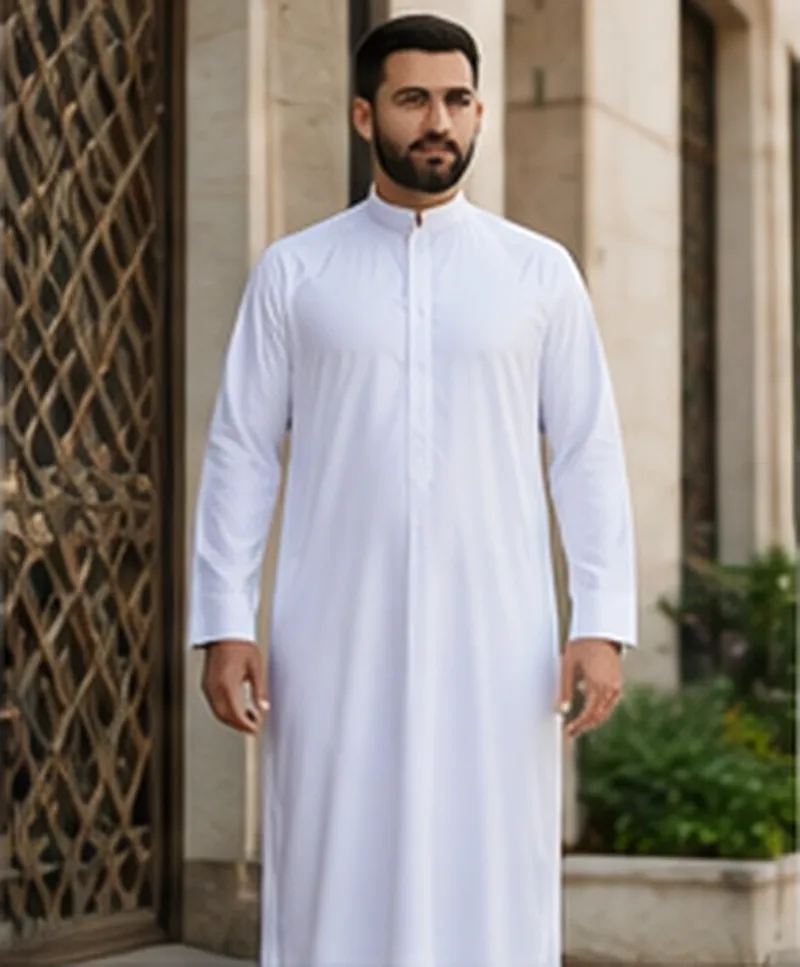
Religious clothing in public spaces in France: one country, many rules
Religious clothing in public spaces in France is a subject on which headlines are often simpler than the law. The French Republic is secular, laïcité, which means the state is neutral and does not recognise any religion, and the law guarantees freedom of conscience. Out of those two ideas come very different rules depending on where a person stands: on the pavement, in a town hall, at a school gate, in a company office or at a swimming pool.
A visitor, a student or a new resident trying to understand French clothing rules does best by thinking in terms of places. The sections below follow that logic and give a map of the main settings. What is written here is a general overview, not a legal opinion, and since judges and legislators periodically return to this subject, anyone with an actual dispute should read the up-to-date texts or get professional advice.
The street: religious dress in open public space
In the street, in parks, on public transport and in shops, the general rule on religious clothing is freedom. People may wear a headscarf, a turban, a kippa, a long robe, a thobe or any other religious or traditional dress. The law does not prohibit them, and private security staff or shopkeepers cannot lawfully refuse service just because of a person's religious appearance.
The main limit in public spaces is the law of 11 October 2010, which bars concealing the face in public space. It applies to anyone and does not mention religion in its text, but it is best known for its effect on the full-face veil, the niqab and the burqa. Exceptions exist for health, professional, sports and festive reasons. In a 2014 judgment the European Court of Human Rights reviewed the statute and ruled that it was compatible with the European Convention.
Consequently a veil leaving the face uncovered, a full-length coat or an abaya falls outside this statute. People dressed in those ways can walk freely in public, though they may encounter social reactions that the law does not control.
Public servants, official buildings and religious clothing
The French clothing rules are strictest for people who work for the state: civil servants, teachers, hospital staff and town hall employees are bound by a duty of neutrality. While carrying out their duties, they may not wear religious signs or clothing. The scarf, the kippa and a big cross are all concerned, and courts as well as subsequent legislation on republican principles have upheld this reading.
Users of public services, such as patients in a hospital or visitors at a library, are in a different position. They are generally free to wear religious dress. Exceptions exist for security checks, for identification photographs, which require the face to be visible, and in specific places where the rules are set by the institution, such as exam rooms where the candidate must be identifiable.
Elected councillors and others with public roles are discussed from time to time. Their position depends on the role and on local practice.
Religious clothing at work in private companies
In private employment, the law protects against discrimination on the grounds of religion, and employers may only restrict religious dress for justified reasons. Since a 2016 labour law reform, companies may introduce a neutrality clause in their internal rules, provided it is general, proportionate and applies to all employees in the relevant roles. Courts, including the Court of Justice of the European Union, have examined such clauses and set conditions.
In practice, safety rules may require certain clothing or head protection, hygiene rules apply in food work, and customer-facing roles may be subject to neutrality policies. A person who is refused a job or dismissed because of a headscarf should not assume the situation is lawful without checking the facts.
Employees who face problems can contact the labour inspectorate, a union representative or the Défenseur des droits, the independent authority that handles complaints about discrimination. Keeping written records of what was said is helpful.
Schools and universities: where religious dress is limited
Schools follow a particular regime. Children attending state primary and secondary schools fall under a 2004 statute prohibiting ostentatious religious symbols, and a ministerial instruction issued in 2023 carried the same logic over to the abaya and the qamis. These rules do not apply in the street outside the school.
Universities are a separate case. Adult students attend universities, and the school ban does not extend to them. Religious dress is generally allowed, although individual rules for exams, laboratories and safety can apply, and staff are bound by neutrality.
Because the school regime is detailed enough to need its own explanation, readers interested in it should look at the guidance on school rules. Here it is enough to note that school rules are the exception, and not the pattern, for ordinary public life.
Sport, swimming pools and the beach
Sport and swimming raise their own questions about religious clothing. Municipal swimming pools generally set hygiene rules on swimwear, and many require close-fitting clothing. Some towns have excluded full-body swimwear, the so-called burkini, while others allow it, and disputes about particular local rules have reached the administrative courts, including the Conseil d'État.
On beaches, mayors have sometimes issued orders on beachwear. Courts have in several cases suspended orders judged to restrict freedom without clear evidence of a risk to public order.
Sports federations set their own rules for competition. Some French federations do not allow a headscarf in official matches, and the Conseil d'État has upheld at least one such rule, while recreational play outside a federation is not subject to the same limits. Players and parents should check the regulation of the club or federation concerned.
Practical tips and where to find reliable information
A few habits help. Carry an identity document and be ready to show your face at a police or security check. Read the internal rules of a workplace, a gym or a pool before joining, and ask in writing if something is unclear. If a decision seems discriminatory, note the date, the people present and what was said.
Anyone wanting the authoritative wording should open the national legislation portal, the pages of the relevant ministries, or the published case law of the highest administrative court. The Défenseur des droits publishes guidance and takes complaints. Associations defending rights and secular organisations publish commentary, from different perspectives.
Visitors who simply wish to dress modestly in France, following whatever religious dress they prefer, can do so in most places with no difficulty. The picture that emerges is of a country in which public life is largely open, with firm limits in schools and public service, and legal debates that continue.
Frequently asked questions
Can I wear a headscarf in the street in France?
Yes. In the street, parks and shops, adults are generally free to wear a headscarf or other religious dress. The main exception is the 2010 ban on concealing the face in public space.
What does the 2010 law prohibit?
The law of 11 October 2010 prohibits covering the face in public space. It applies to everyone and is best known for affecting the niqab and burqa. Exceptions exist for health, professional and festive reasons.
Can an employer ban the headscarf?
Only in limited ways. Since 2016, a company may include a general, proportionate neutrality clause in its internal rules, and safety or hygiene rules may also apply. Discrimination is prohibited, so check the facts before accepting a refusal.
Are burkinis allowed in French swimming pools?
It depends on local pool rules, which have been the subject of court disputes. Some pools require close-fitting swimwear and exclude full-body suits, while others allow them. Ask the pool operator and check recent decisions.