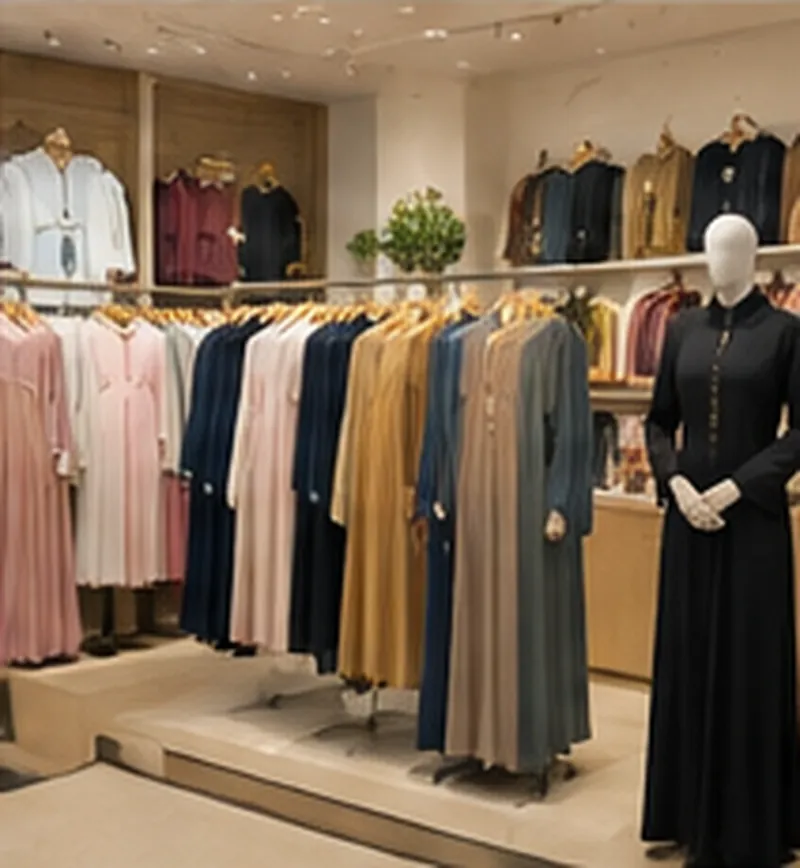
Muslim clothing shops in South Africa: a country of many communities
Muslim clothing shops in South Africa serve one of the oldest Muslim populations on the African continent. Islam arrived in the Cape in the seventeenth century with people brought from the Dutch colonial possessions in Asia and Africa, including political exiles and enslaved men and women. A second wave came from the Indian subcontinent in the later nineteenth century, mostly to Natal. More recently, migrants from Somalia, Ethiopia, Nigeria and elsewhere have added further traditions of dress.
The result is that Islamic clothing in South Africa is not one style. A shopper may find Cape Malay festive outfits, Gujarati and Urdu-speaking families' kurtas and salwar kameez, Somali dirac dresses and Gulf-style abayas side by side. Knowing which community the Muslim clothing shops around you serve tells you a good deal about what they will stock.
Muslim clothing shops in Cape Town: Bo-Kaap and the Cape Flats
Cape Town is the historic heart of the Cape Malay community and of Muslim clothing in South Africa, and the colourful Bo-Kaap quarter on the slopes of Signal Hill is its best-known neighbourhood. Smaller Muslim clothing shops and tailors there cater to local families, with garments for Eid, weddings and religious occasions. Wider Muslim areas of the Cape Flats and the southern suburbs also have clothing retailers close to mosques and madrasas.
In these districts you will find modest dresses, long coats, headscarves and sets for children, along with men's kopiahs and thobes. Local seamstresses are valued for alterations and for sewing a dress to fit, which can be better value than a ready-made abaya.
Cape Town's climate is mild and Mediterranean in character, with wet, windy winters and hot, dry summers. Cotton and linen suit the long summer, while lined jackets, wool-blend coats and layered scarves are in demand when the cold fronts arrive.
Durban: Muslim clothing shops around Grey Street
In Durban, the area around Grey Street and Victoria Street is the traditional centre of Indian Muslim commerce. The Juma Masjid, among the best-known mosques in the country, stands near an arcade and market district where fabric merchants, tailors and clothing stalls trade side by side. The atmosphere is lively and bargaining is common in the market stalls.
Textile specialists and Muslim clothing shops sell fine cotton, voile, georgette and embroidered cloth for the long dresses and tunics that families wear on special days. Many shops stock kurta sets for men and boys, caps, scarves and prayer garments. Tailors can usually make an outfit from the cloth you buy, often within days, though in the weeks before Eid orders take longer.
Durban is humid and warm for much of the year, so lightweight, breathable fabrics and loose cuts matter. Heavy polyester abayas can feel stifling in summer, and shoppers often ask for cotton blends.
Johannesburg and Pretoria: Islamic clothing in South Africa's north
In Gauteng, the older Muslim districts, with the most Muslim clothing shops, offer the widest choice. Fordsburg and Mayfair in Johannesburg are known for their food, textile shops and clothing stores, while the Oriental Plaza shopping complex in Fordsburg has many small outlets for fabrics and ready-made clothing. Laudium, a suburb of Pretoria with a large Indian Muslim community, has its own cluster of boutiques and tailors.
These areas have Muslim clothing shops strong on traditional wear for Eid and weddings, including embellished abayas, long dresses and men's thobes. Shopfronts change their stock with the seasons, and a visit in the last weeks of Ramadan reveals the full festive range, though crowds are heavy.
The highveld has warm, thunderstorm-prone summers and cold, dry winters with frosty mornings. A wardrobe here benefits from layers: a light under-dress, a warm cardigan or coat and a scarf in wool or a blend for early mornings.
Traditional and everyday garments you will see
For women, everyday wear tends to be a long dress or tunic with trousers or a skirt, a headscarf and, for some, a full abaya or jilbab. Cape Malay women often dress up in bright, richly patterned fabrics for celebrations. Families of Indian origin tend to choose the salwar kameez and long kurtas, at times pairing them with a dupatta laid across the head. Women of Somali background frequently choose the dirac, an airy, loose dress, worn together with a head covering.
Men commonly wear a kopiah or taqiyah cap and, for Friday prayer and festivals, a long thobe or a kurta with loose trousers. Younger men mix these with ordinary shirts and jeans. Boys' outfits for Eid, with embroidered tunics and waistcoats, are widely available.
School and workplace dress codes are generally accepting of religious clothing, and many South African Muslims move easily between modest everyday wear and festive attire.
Shopping online and by courier
South African buyers of Muslim clothing increasingly use online shops that deliver nationwide. Muslim-owned boutiques sell abayas, scarves, prayer sets and children's wear through websites and social media, and larger general marketplaces also carry modest fashion. Online shopping helps people outside the main Muslim districts, such as those in smaller towns, who have fewer physical shops nearby.
To buy with confidence, read the size chart, ask about fabric composition, and look for clear photographs of the garment on a person. Check delivery times, particularly before Eid, and read the return policy before paying. Items bought on credit or online for delivery are covered by consumer law that provides certain rights to return faulty goods.
Courier delays and weather can affect timing, so order early for festive outfits.
Consumer rights and good buying habits
South Africa's Consumer Protection Act gives shoppers rights concerning quality, honest labelling and the return of defective goods, and the National Consumer Commission is the body that handles complaints about unfair practices. Market stalls and small shops are covered like others, although custom varies, and it helps to ask about exchange terms before paying.
Fit and fabric matter most with modest clothing. Try garments on if you can, move your arms and sit down to check that the cut stays decent, and hold light-coloured fabric up to the light to test whether it is too sheer. For tailoring, bring a sample and agree on the price, the date and the number of fittings.
Prices at Muslim clothing shops rise before Eid, so buying early is wise. Many shops hold seasonal sales after the festive period, and second-hand clothing circles in communities pass children's outfits on from family to family.
Occasions and practical tips for visitors
Visitors who want modest clothing in South Africa can find suitable clothing without difficulty in the main cities, and mosques in Cape Town and Durban welcome respectful guests. Cover arms and legs and carry a scarf if you plan to enter a mosque. Remove shoes at the entrance.
Ramadan and the two Eid festivals are the busiest times for shopping. Weddings and engagement ceremonies drive demand for formal dress throughout the year. Seek advice from local friends on reputable tailors, since word of mouth is the main way good seamstresses are found.
A little patience and politeness go a long way in markets, and many traders are happy to explain the origin of fabrics and designs. Keep in mind that opening hours may change on Fridays, when shops sometimes close for prayer.
Frequently asked questions
Where are the main Muslim shopping districts in South Africa?
Notable areas include Bo-Kaap and the Cape Flats in Cape Town, the Grey Street and Victoria Street area in Durban, and Fordsburg, Mayfair and Laudium in the Johannesburg and Pretoria region.
What fabrics suit the South African climate?
Cotton, linen and viscose blends suit humid Durban and hot summers, while wool blends and lined coats help in Cape Town winters and on the cold highveld. Layers are the most flexible solution.
Can I get an outfit tailored locally?
Yes. Tailors and seamstresses in the main Muslim districts sew to measure, often from cloth you buy nearby. Allow extra time before Eid, agree on price and fittings, and bring a sample if possible.
What are my rights if clothing is faulty?
South Africa's Consumer Protection Act gives rights regarding quality and defective goods, and the National Consumer Commission deals with complaints. Ask about the shop's exchange policy before you pay, and keep your receipt.