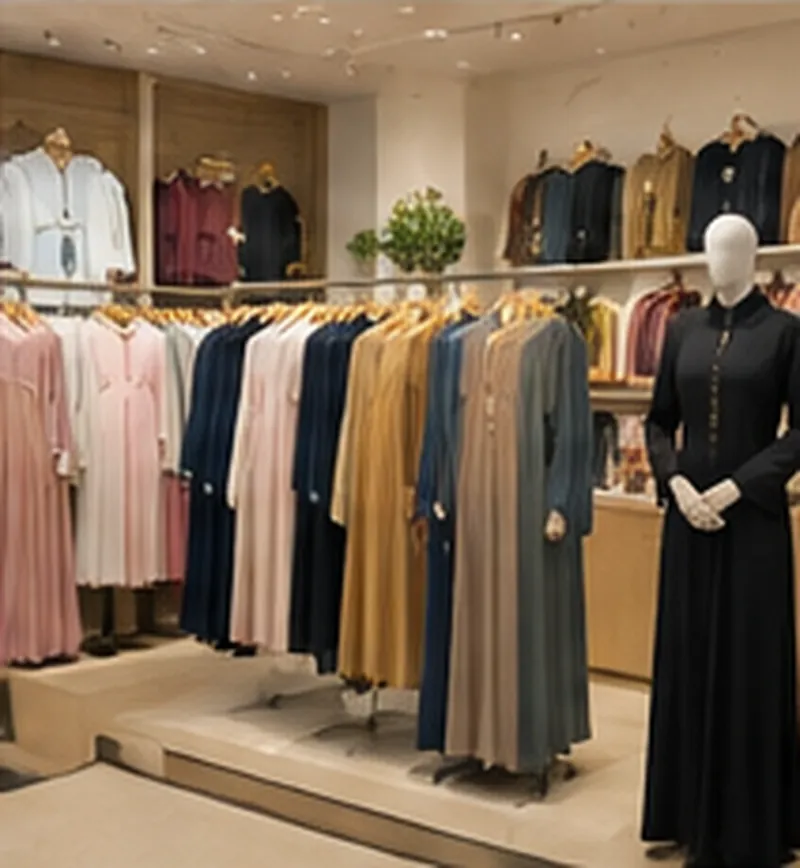
Muslim clothing shops in Turkey and the meaning of tesettür
Muslim clothing shops in Turkey sell what Turks call tesettür giyim, covering clothing. The word tesettür comes from Arabic and refers to veiling or covering, and in everyday speech it covers both the practice of modest dress and the industry that supplies it. A shop that sells tesettür clothing carries long coats, tunics, skirts and trousers, scarves, and often prayer dresses and swimwear for women who cover.
Turkey is a large and varied country in which a majority of the population is Muslim, and the state is constitutionally secular. Dress habits therefore range widely, from conservative neighbourhoods where most women wear a headscarf and long coat to coastal resorts where few do. The modest fashion sector has grown alongside this diversity and has made Turkey a recognised source of designs for Muslim women across Europe and beyond.
Istanbul: Muslim clothing shops in Fatih, Çarşamba and the bazaars
Istanbul is the centre of the trade, and its Muslim clothing shops set trends for the whole country. The Fatih district, and the Çarşamba neighbourhood around the Fatih mosque in particular, is known for conservative dress, with streets of shops selling long coats, çarşaf, scarves and men's religious wear. The Grand Bazaar and the Spice Bazaar area near Eminönü offer textiles, scarves and shawls, while Üsküdar on the Asian shore has its own popular clothing streets.
Laleli and neighbouring districts are known for wholesale and ready-to-wear dealing, where buyers from many countries gather. Retail customers can find lower prices there than in glossy boutiques, although quality varies, so examine seams, linings and fabric before buying. Many shops allow exchanges, and some offer small alterations.
A tour of these Muslim clothing shops is best done in the morning, when shops are open and the crowds are lighter. On Fridays, many men go to the mosque around midday and business slows for a time.
Tesettür clothing in Bursa, Konya, Kayseri, Ankara and Izmir
Beyond Istanbul, several cities have their own character. Bursa is historically a centre of silk and textile production, and its covered markets still sell scarves and fabrics. Konya and Kayseri, in central Anatolia, have developed manufacturing and retail for conservative wear and are home to producers that supply shops nationwide.
In Ankara, the older markets of Ulus and the modern shopping streets both stock tesettür clothing. Izmir's historic Kemeraltı bazaar combines traditional trade with fashion stores, and the Aegean coast offers lighter garments suited to heat.
Smaller towns often have a main street with a few Muslim clothing shops, and a tailor who will adjust a coat or shorten a sleeve. Prices tend to be lower than in tourist districts, and shop owners are generally glad to explain the quality of the fabric.
Traditional and modern garments you will find
Turkish modest dress includes many garments with local names. The eşarp or başörtüsü is the headscarf, sold in cotton, viscose, silk-look and jersey types and in many printed patterns. The pardösü or tesettür mantosu is a long coat worn over other clothes, while the ferace, a long Ottoman-era outer garment, survives in some conservative circles. The çarşaf is a full-length cloak, usually dark, worn by some women with a face veil.
Underneath tesettür clothing, women may wear a tunic, a long skirt or baggy trousers, called şalvar. Many designers offer abayas and kaftans influenced by Gulf fashion, as well as layered looks combining a tunic, a waistcoat and a long cardigan.
Men's religious wear includes the takke, a small skull cap, the cübbe, a long robe worn by imams and some devout men, and loose entari-style tunics. Most men wear ordinary Western clothing, with a cap and simple trousers for the mosque.
Climate, fabrics and seasons
Turkey's regions differ strongly. The Aegean and Mediterranean coasts have hot summers and mild winters, so cotton, linen and light viscose are common, and pale colours help in the heat. The Black Sea region is wet and humid and calls for water-resistant coats. Central and eastern Anatolia have cold, snowy winters, where wool, thick knit and lined coats are necessary.
Shops adapt to the seasons with sale periods at the end of each one. Spring collections appear in light fabrics and pastel shades, while autumn brings heavier knits and darker colours. Tesettür clothing has a reputation for good value, and many fabrics are woven in Turkish mills.
When you buy, check the care label. Some scarves wash well, while those with silk or fine viscose require gentle handling.
Occasions, weddings and religious holidays
Demand at Muslim clothing shops peaks before the Ramazan Bayramı and Kurban Bayramı festivals, when families buy new clothes for the holiday and for visiting relatives. Wedding preparations, including the henna night known as kına gecesi, involve elaborate dresses, and engagement events also drive sales of evening wear designed for women who cover.
Pilgrims travelling to Mecca and Medina for umrah or the hajj often buy Muslim clothing in Turkey, such as ihram sets, prayer dresses and travel clothing. Prayer outfits for women, called namaz elbisesi, are sold in all price ranges, from simple cotton sets to elaborate ones with matching scarves.
Weekend and holiday outings also influence Turkish modest fashion, with leisure wear, modest swimwear and active clothing that meets covering needs now widely available.
Turkish modest fashion online and in department stores
Turkey's e-commerce market is well developed, and Turkish modest fashion is easy to order, and national marketplaces such as Trendyol and Hepsiburada list large ranges of tesettür clothing, as do the websites of specialist labels. Shoppers often compare reviews and photographs of real customers wearing the items. Many sellers ship abroad.
Department stores and shopping malls in larger cities also have tesettür sections, with fitting rooms and set sizes. These can be convenient for first-time buyers who wish to try items on, and they often offer easy returns.
For travellers, the airports and tourist districts sell scarves and shawls as souvenirs. Distinguish between quality souvenirs and mass-made items, and ask about fibre content before paying.
Consumer rights and buying tips
Customers of Muslim clothing shops in Turkey are covered by a consumer protection law, and the Ministry of Trade oversees compliance. Consumer arbitration committees, called tüketici hakem heyetleri, handle disputes over goods and services below certain values. Keep your receipt, and understand that many shops have their own exchange rules, which should be displayed.
Bargaining is expected in bazaars and less common in fixed-price shops. Start by asking the price, compare a few stalls and do not hurry. In fashion boutiques, prices are generally labelled.
Visitors should remember that dress habits vary and that many women, whether they cover or not, move comfortably through Turkish cities. Headscarf restrictions in public institutions that once applied have been lifted in stages in recent years, which has widened the market. Respectful dress is appreciated in mosques, where women should cover their hair and everyone should remove their shoes.
Frequently asked questions
What does tesettür mean?
Tesettür is the Turkish word for covering, used for both modest dress and the industry that makes it. Tesettür shops sell coats, tunics, skirts, scarves and prayer dresses for women who cover.
Where in Istanbul should I look for Muslim clothing?
Fatih and Çarşamba are well known for conservative dress, the Grand Bazaar and Eminönü offer textiles and scarves, and Laleli is known for wholesale. Üsküdar has popular clothing streets too, and shops there open early.
Which fabrics suit Turkish weather?
Cotton, linen and light viscose suit the hot coasts, while wool, thick knit and lined coats are needed in Anatolian winters. The rainy Black Sea region needs water-resistant outerwear and quick-drying layers.
Can I bargain in Turkish clothing shops?
Bargaining is common in bazaars and market stalls, but fixed-price boutiques and malls usually display set prices. Compare a few sellers, ask politely and keep your receipt in case you need an exchange.