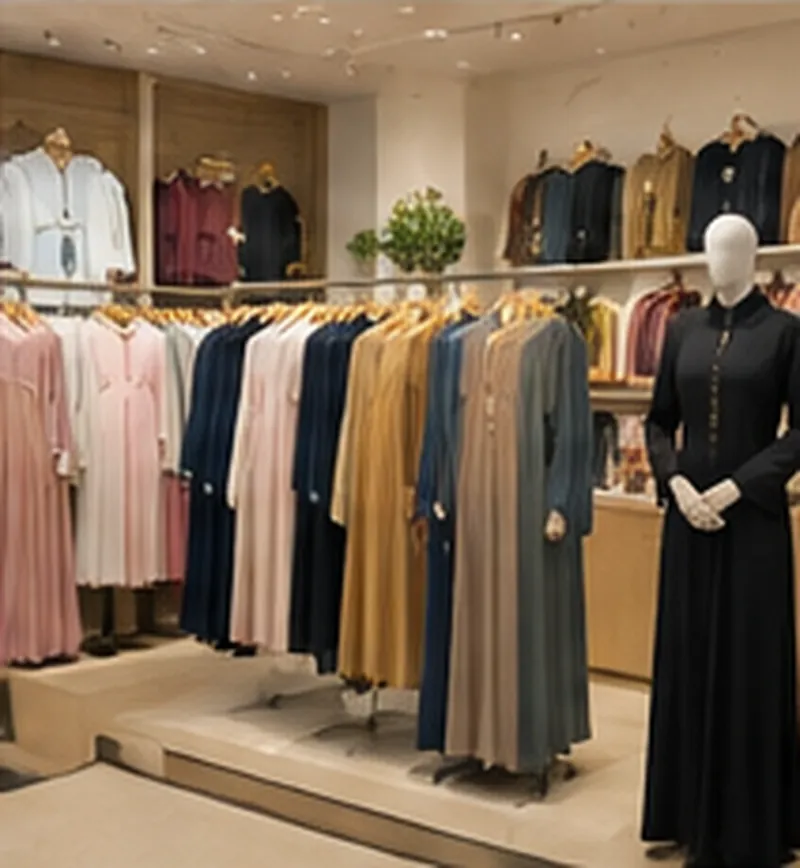
Muslim clothing in the UK: a layered tradition
Muslim clothing in the UK is not one costume but a patchwork assembled by successive waves of settlement. Families with roots in Pakistan, Bangladesh and India brought the shalwar kameez and the dupatta, Arab and Gulf communities introduced the abaya and thobe, Somali families added the long, flowing dirac, while Turkish, Nigerian and Malaysian communities each contributed their own ideas of modest dress.
Younger British Muslims then mix these inheritances with high-street basics. A long cardigan, a printed jersey hijab and trainers can be worn with an abaya or a maxi dress, and this blend has become so familiar that fashion writers speak about British Muslim fashion as a distinct strand of the country's style.
What binds the choices together in halal clothing is the wish for modest, comfortable clothing that works for school, office, university and weekend. Since opinions differ among scholars about what modesty requires in detail, individuals decide for themselves, often after asking a trusted imam.
Muslim clothing you will meet in British communities
On any busy street, Islamic clothing takes many forms. You may see the shalwar kameez, a long tunic over loose trousers, worn by women and men of South Asian heritage and often in bright embroidered fabrics at weddings. Men may add a waistcoat or a long kurta for Friday prayer, and a topi or a white cap on special days. Women of the same heritage may pair a dupatta with a long coat in winter.
Arab-style abayas, jilbabs and kaftans are popular with those who want a single flowing outer layer, while the Moroccan djellaba appears in North African families. Somali women often wear the dirac, a light, sheer dress over a slip, with a garbasaar shawl over it, while many men wear a macawis, a sarong-like wrap, at home.
- Shalwar kameez, dupatta and kurta from South Asia.
- Abaya, jilbab and thobe from the Arab world.
- Dirac and garbasaar from the Somali community.
- Agbada and kaftan for West African celebrations.
Halal clothing in the UK and a wet, changeable climate
Britain's climate is mild but damp, with wind, rain and sudden temperature changes. The result is that halal clothing in the UK is built around layers. A thermal under-layer, a long knit tunic or jersey dress, and a waterproof or wool coat reaching below the knee cover most of the year without compromising modesty.
Fabrics for modest clothing need to be easy to dry and resistant to the rain. Heavy crepe abayas can hold water, so many wearers turn to polyester blends or fabrics with a water-repellent finish for commuting, and keep delicate silks for indoor events. Hijabs in jersey and viscose are favoured for stretch and breathability, and an inner cap prevents slipping in the wind.
Summer can bring brief heat waves, and loose cotton and linen become welcome. Children's school uniforms in long-sleeved shirts and trousers or skirts usually work year-round, with a cardigan on top.
Footwear deserves the same thought as the coat. Waterproof boots with a grip are worn under long hems, and a hem that skims the ankle rather than the ground saves a great deal of laundry on wet pavements.
Where British shoppers buy modest clothing
Specialist shops tend to cluster in areas with long-established Muslim communities, such as parts of east London around Whitechapel Road and Green Street, Sparkbrook and Ladypool Road in Birmingham, Manningham in Bradford, Cheetham Hill and Rusholme in Manchester and the Belgrave area of Leicester. These streets mix fabric shops, tailors, boutiques and bridal outfitters.
For halal clothing, independent boutiques, home-based designers and market stalls offer tailoring and made-to-measure work, which is helpful for sleeves and hems. Mainstream retailers increasingly stock modest clothing: long dresses, loose trousers and plain scarves in modest cuts, and many shoppers combine these basics with a statement abaya from a specialist.
Online shopping for Muslim clothing is huge. British-based sellers and international sites alike post garments across the country. Check the seller's address, delivery times, size charts and returns policy before ordering, and compare the fabric description with customer photographs.
Fabric shops that sell chiffon, georgette and crepe by the metre remain important, since many families still commission outfits from a neighbourhood seamstress, particularly for weddings and Eid.
Dress, work, school and the law
In Great Britain the Equality Act 2010 protects religion or belief as a characteristic, which means employers and service providers should not treat someone unfairly because of their religious dress, although they may sometimes justify rules for genuine safety or health reasons. Dress codes at work should be applied sensibly, and many employers offer approved options such as uniform hijabs.
Schools in the UK normally set their own uniform policies. Many accommodate long skirts, trousers, headscarves in the school's colours, and modest sports kit, and the official guidance expects governing bodies to consider religious requirements and to be reasonable. Parents who encounter difficulties are usually advised to start with the school and, if needed, to seek advice from an organisation such as Citizens Advice.
None of this amounts to personal legal advice, and the position in Northern Ireland, where separate legislation applies, may differ in detail.
Consumer rights when you buy halal clothing
Under the Consumer Rights Act 2015, clothing sold by a trader must be of satisfactory quality, fit for purpose and as described. If a garment is faulty, the buyer has remedies such as repair, replacement or a refund, depending on how soon the fault appears. Citizens Advice gives plain guidance on these rights, and local Trading Standards services handle complaints about unfair practices.
For purchases made online or by phone, the Consumer Contracts Regulations 2013 generally give a 14-day period to cancel after delivery, though there are exceptions, notably for items made to a customer's specification. This matters for custom abayas and tailored jilbabs, so ask about the policy before ordering made-to-measure pieces.
The Competition and Markets Authority oversees misleading claims, so wording such as halal on a garment should be treated as a marketing description rather than a certification.
Whatever the occasion, British shoppers tend to build a small core wardrobe of halal clothing in neutral colours and add accents for celebrations, which keeps spending sensible and mixes easily with Muslim clothing from other traditions.
Sport, swimwear and special occasions
Everyday life in the UK includes exercise, swimming lessons and school trips, and Muslim families look for suitable kit. Full-length swimsuits, often called burkinis, long swim leggings and rash vests are widely sold and accepted at public pools, and many leisure centres hold women-only sessions on set days. Loose tracksuit trousers and long-sleeved tops suit outdoor sports.
Special days have their own wardrobes. Eid mornings call for new outfits, with children in glittering salwar suits or little thobes. Weddings bring heavily embroidered lehengas, bridal abayas or gowns with sleeves, while funerals and condolence visits call for quiet, plain dress.
In Ramadan, many shoppers look for roomy night-time prayer sets and travel-friendly prayer garments, so shops often stock these early in the season.
Frequently asked questions
Where can I buy Muslim clothing in the UK?
Options include specialist shops in areas such as east London, Birmingham, Bradford, Manchester and Leicester, independent boutiques and tailors, mainstream retailers with modest lines, and online sellers across Britain. Always check the returns policy first.
Does the law protect religious dress at work?
In Great Britain the Equality Act 2010 protects religion or belief, so treating someone worse because of religious dress can be unlawful. Employers may justify some rules for safety reasons. For personal advice, contact Citizens Advice or a solicitor.
Can I return an online abaya?
Usually you have a cancellation period of 14 days after delivery under the Consumer Contracts Regulations 2013, but not for items made to your specification. Faulty goods can be returned under the Consumer Rights Act 2015.
What fabrics suit British weather?
Layering works best: a thermal base, a knit or jersey dress, and a wool or water-repellent coat. Choose quick-drying fabrics for rainy commutes and breathable cotton or linen for the few hot weeks of summer.