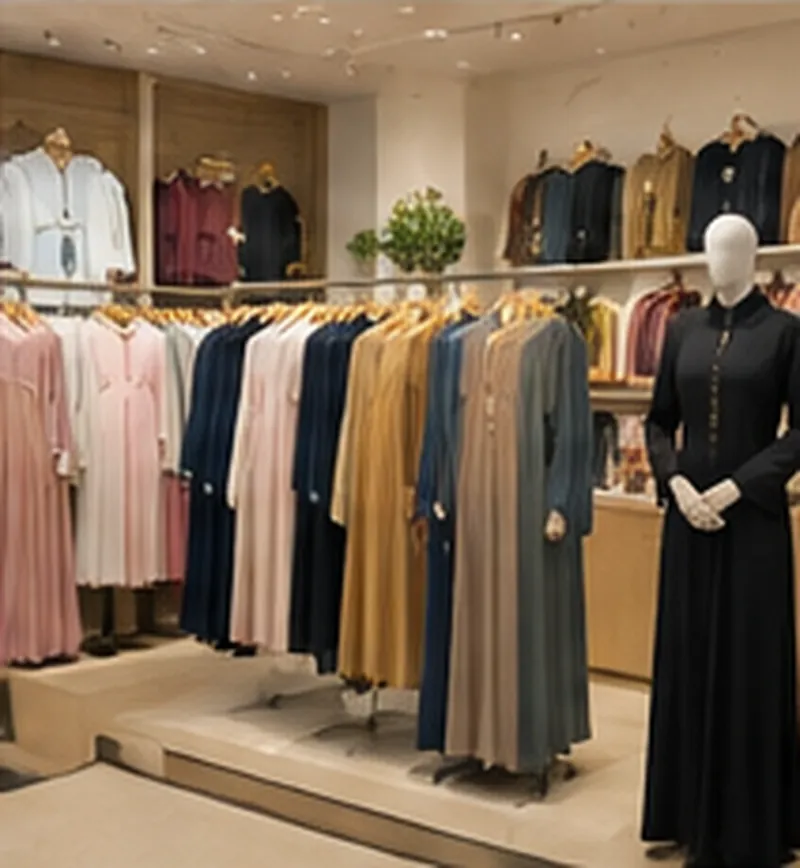
What a halal boutique actually is
A halal boutique is a retailer whose range is built around modest dress. Some are small independent shops run by a tailor or a family, others are online stores that ship to many countries, and a few are departments inside larger shopping centres. What they share is a focus on garments that cover the body in a loose and dignified way.
The word halal here is a marketing label chosen by the seller. It does not come from a regulator, and no recognised body inspects clothing under that name. A shopper should therefore treat it as a description of the shop's intention and then judge each item personally.
The model has deep roots. Cloth merchants, tailors and robe makers have long clustered around mosques and pilgrimage routes, and the modern halal boutique continues that habit of placing practical dress near places where people gather, whether in a market lane, a shopping arcade or a web storefront.
Alongside clothes, many boutiques carry scarves, underscarves, prayer mats, modest swimwear, children's outfits and sometimes perfume oils or books, so the visit can cover several needs at once.
Types of Islamic clothing shop
Neighbourhood shops are often the most useful for first-time buyers because staff can pin a hem, suggest a scarf style and explain which cut suits which occasion. They usually serve a local community and know the garments that families in the area actually wear. The best halal boutique for a beginner is often the one that explains rather than hurries.
Market stalls and covered bazaars, common near large mosques and in immigrant districts, offer a wide spread of fabrics and a chance to compare many sellers in one trip. Prices are often negotiable, and quality varies, so it pays to look closely at seams and cloth.
Online sellers range from single-designer labels to large marketplaces. They bring choice and convenience, especially where no specialist exists nearby, but they require care with sizing, photographs and return terms.
Pop-up stands at Eid fairs and community events are a fourth route. They are seasonal, so stock is limited, but they are a good place to meet designers and handle fabric before committing to a larger order.
Stock to expect at a modest fashion store
A well-stocked modest fashion store usually divides its space by garment type. Expect abayas in plain black and in seasonal colours, long dresses, tunics, wide trousers, maxi skirts and layering pieces such as long cardigans and kimonos.
Head coverings fill a large section: square scarves, rectangular shawls, instant hijabs that slip on, jersey wraps and chiffon in many weights. Next to them sit inner caps, pins and magnets, which help scarves stay in place without damaging fabric.
Good shops also separate everyday items from occasion wear. Embroidered kaftans, beaded evening abayas and lace-trimmed dresses sit apart from the plain work-and-school range, which saves time when you know what event you are dressing for.
- Garments: abayas, jilbabs, dresses, tunics, skirts and trousers
- Head coverings: hijabs, khimars, underscarves and accessories
- Menswear: thobes, kurtas, caps and loose trousers
- Extras: prayer mats, prayer outfits and modest swimwear
How to compare one Muslim clothing store with another
Compare range first. A shop with ten near-identical black robes tells you less than one that shows different necklines, sleeve shapes and fabric weights. Variety suggests the buyer has thought about real customers.
Then look at information. Reliable sellers state the fibre content, give measurements for length, chest and sleeve, and show photographs in natural light. Vague descriptions and heavily filtered images are a warning that the cloth may disappoint in daylight.
Finally, read how the store treats problems. Clear return conditions, a visible address or contact route and a sensible reply time are better signals of good service than a long list of slogans.
A final test is consistency. Photographs, descriptions and delivered goods should match, and a Muslim clothing store that updates its sizing notes after customer feedback is showing the kind of attention that matters.
Questions worth asking before you buy
In person, ask whether a garment is lined, whether it shrinks on washing and whether alterations are available. A hem or sleeve taken up in the shop is often cheaper and neater than a home fix.
Ask about opacity as well. Hold pale colours against the light and sit down in the garment in the fitting room, because some fabrics become see-through when stretched across the knees or shoulders.
Online, send a message before ordering if the size chart is unclear. The speed and tone of the reply is useful information about how the seller will behave if something goes wrong.
Ask who the maker is where possible. Shops that know their suppliers can usually say where a garment was cut and which fabric lots they use, and that traceability tends to go with steadier quality from one season to the next.
Planning a visit to a modest fashion store
A little preparation makes a shop visit far more productive. Decide the occasions you are shopping for, such as work, a wedding or daily wear, and note the colours already in your wardrobe so new purchases combine with what you own.
Go at a quiet time if possible. Weekday mornings are often calmer than Saturday afternoons, which gives staff time to pull out sizes from the back, suggest alternatives and let you try several scarf styles with each garment.
Set a spending limit before entering, and keep room in it for small items such as pins, underscarves or a belt. These add-ons are easy to overlook and can lift the whole outfit.
Finally, take notes or photographs of garments you liked but did not buy. A day later you will know whether the interest was lasting, and you can compare with other shops without relying on memory.
Shopping rights and fair dealing
Consumer protection rules vary by country, but in general a seller must describe goods accurately and honour the terms it publishes. Many countries give online buyers a period in which unused goods may be returned, and a national consumer authority can explain the details.
Keep order confirmations, screenshots of product pages and any messages with the seller. If a garment arrives differently from its description, these records make a complaint much easier to resolve.
Be cautious about claims that a boutique's goods are blessed, certified or superior in a religious sense. Such statements are not verifiable, and a trustworthy halal boutique will talk about cloth, cut and service instead.
Supporting makers and local tailors
Not every purchase has to come from a standard shop. Many communities have seamstresses who make garments to measure, which suits people whose proportions do not match ready-made sizes and anyone who wants a particular length or sleeve.
Small designers, often working from home studios, sell through social platforms and craft fairs. Their pieces tend to be limited in quantity, with more distinctive prints and finishes, and buying from them keeps skills alive within the community.
Whichever route you choose, treat a good halal boutique as a long-term relationship. Returning to the same Islamic clothing shop lets the staff learn your tastes, alert you to new arrivals and help with fitting before special occasions.
Frequently asked questions
Does halal on a shop sign mean the clothes are certified?
No. There is no recognised certification scheme for clothing. The word usually shows the seller's intention to offer modest garments. Check cut, length and fabric yourself, and ask a qualified scholar if you have a religious question about a particular item.
Is it safe to buy from an online Muslim clothing store?
It can be, if you check the contact details, read the return policy, compare measurements and pay by a method that offers buyer protection. Recent reviews on independent platforms help, but treat unusually glowing or repetitive ones with caution.
Can a boutique alter garments for me?
Many independent shops offer hemming and sleeve adjustments, or can recommend a local tailor. Ask before purchase, because some fabrics, such as heavily embroidered or pleated cloth, are difficult to alter without leaving marks.
What should I bring when visiting in person?
Bring the scarf and shoes you plan to wear, since they change how a garment hangs. Wear fitted basics underneath so you can judge opacity and movement, and allow time to sit, walk and raise your arms in the fitting room.