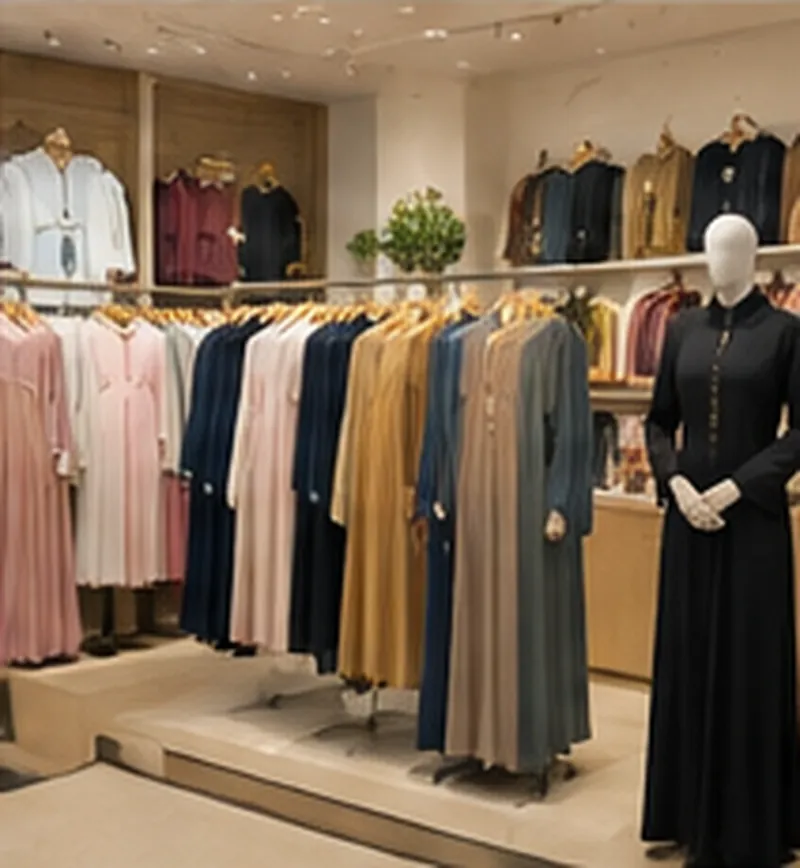
Muslim clothing in New Zealand: a small, varied community
Muslim clothing in New Zealand reflects a community that is modest in size but very varied in background. Families from Fiji, India and Pakistan, refugees from Somalia, Syria, Afghanistan and Myanmar, students and professionals from Malaysia, Indonesia and the Gulf, and Kiwi converts all live in the same cities, and each group has its own tailoring habits. Auckland, Wellington, Christchurch, Hamilton and Dunedin all have mosques and community centres.
Because the population is small, there are fewer large districts of specialist Muslim clothing shops than in bigger countries, and people tend to shop with a mix of strategies: local community stores, mainstream clothing, online ordering from Australia or Asia, and trusted home dressmakers. Muslim clothing here is eclectic: a kaftan from a relative, a jersey hijab bought online and a Kiwi wool jumper can all appear in one outfit.
How much covering a person chooses is a personal and religious matter on which scholarly opinions vary, so there is no single standard in the community.
Younger New Zealanders often describe a relaxed approach, pairing a long denim shirt with a scarf in team colours for netball, or wearing an abaya over a hoodie on a cold campus morning. Intergenerational sharing is common, with mothers passing down dresses and scarves.
Wind, rain and the wool advantage in halal clothing
New Zealand weather is famous for changing in a single afternoon, and modest clothing has to be flexible. A light waterproof jacket over a long tunic is a daily companion in Wellington, where wind can whip a loose scarf, and in Auckland, where humidity makes rain feel warm and clammy. Further south, in Christchurch and Dunedin, winter brings frosts and sometimes snow.
Merino wool, produced from sheep raised in the country, is a local favourite. It is soft against the skin, breathable and warm even when damp, which makes it ideal as a base layer for Islamic clothing under a long dress or abaya. Merino neck gaiters, beanies and gloves are practical in cold months, and fine merino hijabs exist for those who like a natural fibre.
- Merino base layers under dresses and abayas.
- Waterproof jackets with a long hem and deep hood.
- Secure pins or an inner cap to keep scarves in the wind.
- Light cotton and linen for summer days.
Sun, beaches and modest clothing outdoors
Ultraviolet levels in New Zealand are high, even when the air is cool, and long sleeves, trousers and a wide-brimmed hat are advised by sun-safety campaigns. For many Muslim women this fits with their usual modest clothing, and light cotton abayas, long-sleeved rash tops and swim leggings are a sensible choice at the beach. Full-length swimwear is sold online and, increasingly, in sports stores.
The outdoors is a large part of Kiwi life. Tramping, which is the local word for hiking, requires layers, boots and waterproof gear, and some women wear an ankle-length skirt over leggings or loose trekking trousers with a long top. Surf clubs, school camps and farm visits all call for clothing that is practical and covering.
Footwear is another point where local custom meets faith. Kiwis often go barefoot or wear jandals, and many Muslims keep a pair of clean socks or indoor shoes for the mosque and the prayer room.
Where New Zealanders buy Islamic clothing
Islamic clothing is sold through community shops in the larger cities, through stalls at Eid bazaars held by mosques and student associations, and through online stores run from New Zealand and from Australia. Some designers of halal clothing take orders for custom abayas and bridal wear, delivering across both islands.
Mainstream stores supply modest clothing such as long skirts, jersey tops, wool jumpers and wide trousers. Fabric shops, particularly those serving Indian and Pacific communities, offer cottons, georgettes and brocades for home sewing. Second-hand shops are popular too, because they offer long coats and cardigans at low cost, and some communities hold clothing swaps.
When ordering from overseas, remember that parcels are subject to customs and goods and services tax in many cases, and shipping times can be long. A local seller with a clear returns policy can be a safer choice for a first purchase.
Sewing circles in some communities make school-uniform alterations and festival clothes for families who cannot find ready-made sizes, and word of mouth is the best way to find them.
Consumer rights and the Commerce Commission
Two statutes frame the buyer's position: the Consumer Guarantees Act 1993 and the Fair Trading Act 1986. The first says that goods bought from a business must be of acceptable quality, fit for purpose and match their description; if they do not, the buyer can seek repair, replacement or a refund according to the seriousness of the fault. The second prohibits misleading and deceptive conduct in trade.
The Commerce Commission enforces fair trading law and publishes guidance for shoppers and businesses. When a listing says halal clothing, that wording only reflects what the seller chose to write, since garments have no recognised certification scheme; shoppers with concerns about specific materials should check the care label instead of trusting the term.
Change-of-mind returns are up to the shop. Ask about the policy for special orders and online items in advance, and keep receipts and emails.
Religious dress, school and work
The Human Rights Act 1993 prohibits discrimination on the ground of religious belief in areas such as employment and the provision of goods and services. Employers are generally expected to treat staff fairly and to consider reasonable accommodation, though uniforms for reasons of safety or hygiene may require creative solutions such as an approved hijab in the staff colours.
New Zealand schools are governed by their own boards, which set uniform policies. Many allow scarves in the school colours, long sleeves and trousers or skirts for girls, and modest sports kit. Families who face difficulty can begin by speaking with the principal and, if needed, seek advice from the Human Rights Commission.
These notes are general information rather than legal advice, and particular cases depend on their facts.
Eid, weddings and welcome ceremonies
For Eid, communities in the main cities rent halls or use sports grounds, and families come dressed in their finest. Children get new shoes and outfits, and photographs outside the hall are a small tradition of their own. In smaller towns, Muslims may travel to the nearest mosque and make the day an outing.
Weddings blend cultures. Fijian Indian ceremonies bring colourful lehengas and sarees, Somali weddings feature the shimmering dirac, and Arab families choose long gowns with sleeves. Hand-embroidered pieces are often brought from relatives overseas or ordered in advance.
Visitors to marae for a welcome ceremony, a pōwhiri, are generally comfortable in modest dress, and many Muslim guests find that their usual clothing is suitable. In short, the strength of Muslim clothing in New Zealand is adaptability: wool for the cold, cotton for the sun and an easy mixture of traditions.
Frequently asked questions
Why is merino wool popular for modest dress?
Merino is soft, breathable and warm even when damp, so it works well as a base layer under dresses and abayas in New Zealand's variable weather. Fine merino hijabs and neck warmers also exist.
Are my consumer rights the same online?
The Consumer Guarantees Act applies when you buy from businesses in New Zealand, including online. For overseas sellers protection can be weaker, so check the seller's policy and payment protections before ordering.
Can employers restrict religious dress?
The Human Rights Act 1993 prohibits discrimination on religious belief. Safety or hygiene rules may still require adaptations. Contact the Human Rights Commission if you have a dispute at work.
Where can I find modest clothing in New Zealand?
Look at community shops in Auckland, Wellington and Christchurch, mosque bazaars at Eid, online sellers in New Zealand and Australia, fabric stores and mainstream retailers with long skirts and tunics.