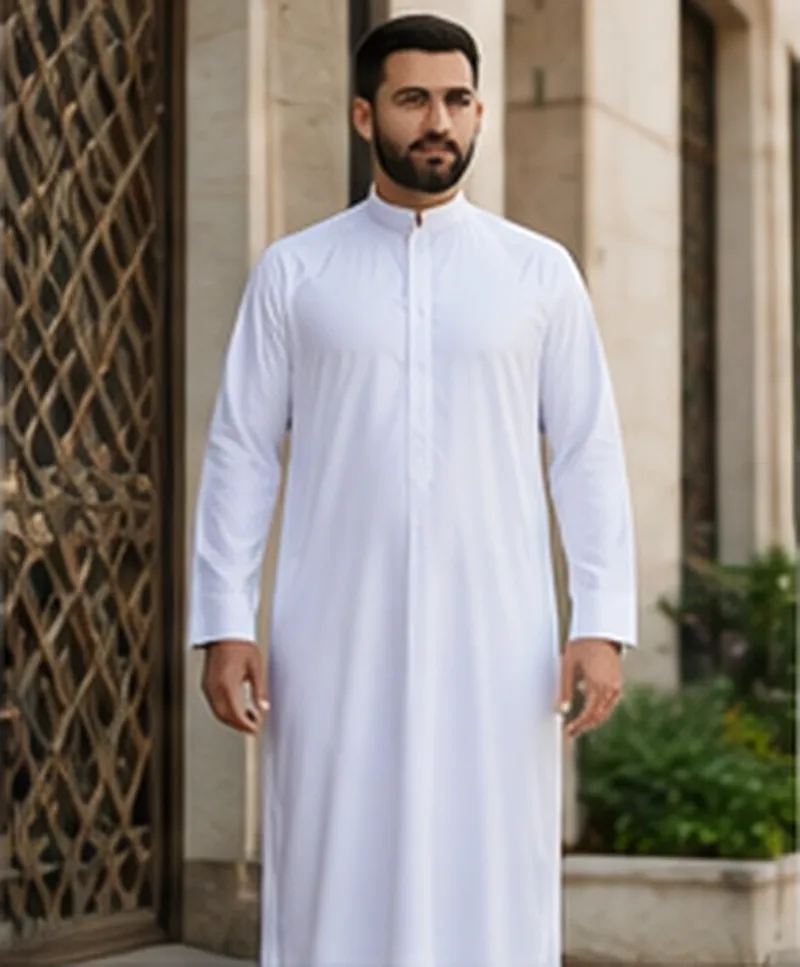
Donating clothing as sadaqah
Giving away garments ranks among the longest-standing and easiest ways of practising optional charity. In Islamic terms it falls under sadaqah, giving that is not obligatory like zakat but is strongly encouraged, and which the sources describe as covering the giver with reward on a day when little else will. Donating clothing to the needy is a recurring theme in religious teaching, mentioned alongside feeding the hungry as a basic act of mercy.
The practice has also a social dimension. When families sort wardrobes at the start of Ramadan, before Eid or at a change of season, they turn unused garments into warmth and dignity for somebody else. Done carefully, it links household tidying with worship. Done carelessly, it risks burdening a charity with items nobody can use. The following sections cover how to give well.
What to give: quality, dignity and modesty
The Quran advises believers not to choose the worst of what they have to give, and it also says that one does not reach true righteousness until one spends from what one loves. Scholars draw a simple rule from these verses: give items you would be content to receive. Clean, intact, wearable clothing is the standard. Torn, stained, badly faded or broken-zip pieces belong in the rag bag or textile recycling, not in a donation bag.
Think about the recipients. Many people helped by Muslim charities, including refugees and new converts, value modest, loose-fitting garments: long sleeves, longer hems, plain colours, headscarves and abayas in good order. Warm coats, shoes and children's clothes are often the most urgently needed, and seasonal fit matters, because summer shirts in winter are of little use.
Avoid items with offensive slogans, strongly revealing cuts or religious writing that the recipient might find troubling. Underwear and socks are generally accepted only when new and sealed.
How to prepare clothing donations
Preparation is part of good manners in giving. Wash clothes so that they are clean and fresh, check pockets, repair loose buttons and fold items neatly. Sort by type and size, and tie pairs of shoes together. Label bags clearly, for example women's, men's, children's or winter wear, to help volunteers sort quickly.
Where you live may have rules about what charities can take, so ask before you arrive. Some collection points only accept certain categories, and others are limited by storage space. A phone call or a message prevents a wasted trip and saves volunteers from handling items they cannot use.
Give with a good intention. Scholars stress that sincerity is what turns a household chore into worship, and that boasting about a gift or reminding the recipient of it spoils the reward. Quiet giving is the ideal.
Choosing among Muslim charities
Muslim charities, like the people who support them, range from small neighbourhood groups attached to a mosque to large international relief organisations. Their approaches differ. Some run local clothing banks, winter appeals or refugee support projects and accept clothes directly. Others, particularly those working overseas, prefer financial gifts, because shipping goods is slow and expensive and local purchase can support nearby markets.
So before donating clothing, find out what the organisation actually does with them. Ask whether items are distributed free of charge, sold in a shop to fund projects or sent abroad. All three can be legitimate, but donors have a right to know.
It also helps to check that the charity is properly registered under the law of your country, publishes accounts or annual reports and has a way to contact it. A responsible group will answer questions plainly. If you are in doubt, ask your imam or community leaders which local organisations they trust.
When money serves people better than garments
Giving clothes feels tangible, yet it is not always the most useful way to help. A charity that knows its beneficiaries can buy the right size, fabric and style in bulk, avoid waste and respond to a particular emergency. Cash donations can also cover transport, storage and distribution, which are costs that donated goods create.
That does not make clothing donations unwelcome. Local drives often depend on them, and recipients value a coat that fits and has been chosen with care. The best approach is often a combination: give good clothes to a local project that wants them and support wider relief work with money.
If you want to donate clothes on behalf of a deceased relative, or as ongoing charity, you can also set up a regular gift to a project that provides clothing, so that the benefit continues after a single donation.
Making clothing donations a family habit
Households that talk about donating clothing openly raise children who understand giving. A simple seasonal routine works well: each child chooses a few items in good condition to donate, helps to wash and fold them, and goes along to the drop-off if that is possible. Seeing where the bag goes teaches more than any lecture about charity.
Giving clothes to charity can also be tied to the calendar. Many families clear wardrobes before Ramadan so that the month begins with lighter cupboards, or after Eid when new outfits have replaced older ones. Donating clothing at those moments keeps the habit regular without making it a burden.
A final point is gratitude. A family that gives away what it no longer needs, while thanking God for what it has, tends to buy less carelessly the next time. Donate clothes with that spirit and the practice benefits the giver as well as the recipient.
Local donation, textile recycling and reuse
Communities that gather clothing at a mosque or community centre are often the best route. The organisers know local families, can respect privacy and can match garments to needs, such as school uniforms, work clothes or modest wear for women. Neighbours who prefer discreet help may also receive an item directly through a trusted person.
Items that cannot be given on to people can still be reused. Textile recycling banks accept worn but clean fabric for reuse as industrial cloths or fibre, and donating there avoids waste. Some Muslims prefer to keep this separate from charity, so that sadaqah is reserved for items that are actually wearable.
Be wary of unmarked collection bins and doorstep bags with no named organisation. Not every collection is run for the benefit that the poster suggests, so choose bins that clearly name a registered charity.
Questions people ask and the role of guidance
Common questions include whether sadaqah can be given to non-Muslims, whether a woman may give her husband's clothes, and whether a gift from a shared household needs consent. Scholars answer that voluntary charity is not limited to Muslims, that giving from property you own or are entrusted to give is valid, and that property belonging to other people requires their agreement.
Specific cases, such as handling clothes owned jointly or items from an inheritance, depend on circumstances. For your particular circumstances, a trained scholar nearby can give guidance.
In the end, the best clothing donation is the one that arrives in good condition, reaches somebody who needs it and leaves the recipient with their dignity intact.
Frequently asked questions
Is donating used clothing counted as sadaqah?
Yes. Voluntary giving of useful items, including garments, falls under sadaqah when it is done sincerely for God. The items should be clean, in good condition and of a kind the recipient can use with dignity.
What should I not donate?
Avoid torn, stained or broken items, clothing with offensive slogans or revealing cuts, and used underwear. Unsuitable seasonal pieces and items with sacred writing are also better kept back or recycled.
Should I give clothes or money?
Both can help. Local drives often welcome good clothes, while larger relief organisations frequently prefer money because it buys the right items and covers transport. Ask the organisation what it needs most.
How can I check that a charity is genuine?
Look for registration under your country's charity law, published accounts or reports and a clear contact route. Ask what happens to donated clothes. Your imam or community leaders may also know which local groups are trusted.