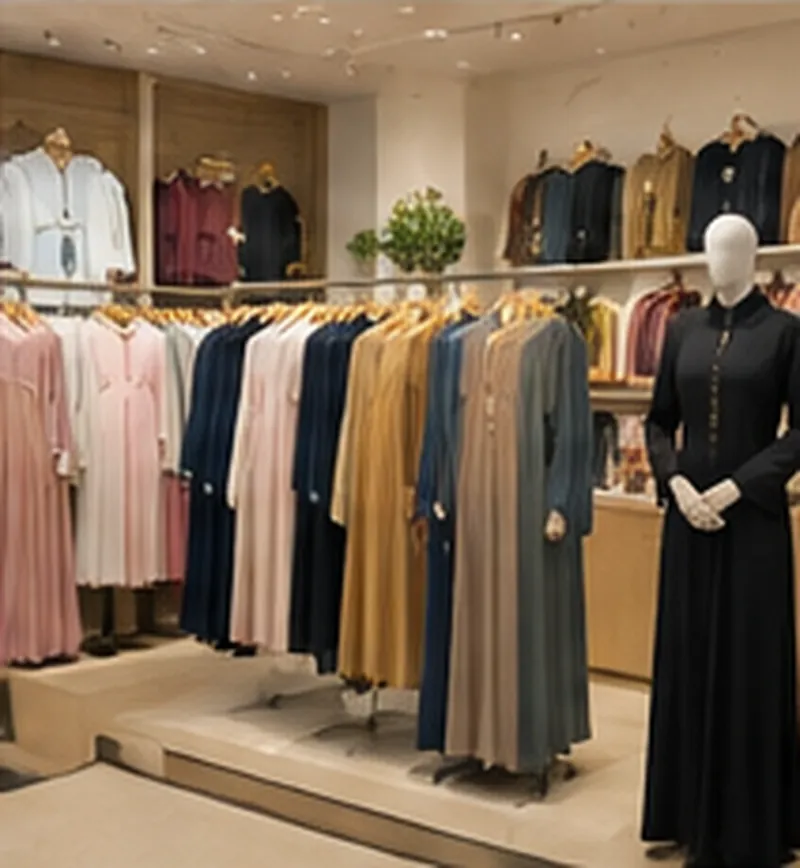
Islamic clothing in Germany and its communities
Islamic clothing in Germany is largely a story of migration and settlement. From the 1960s onward, workers from Turkey came in large numbers, followed by families from Morocco, Tunisia and the former Yugoslavia, then refugees and migrants from Lebanon, Iraq, Iran, Afghanistan and Syria. Each wave brought its own idea of respectable dress and Muslim clothing and its own words for it: Kopftuch for the headscarf, Tesettür for the Turkish style of covered fashion, and Abaya, Dschilbab and Salwar Kamiz for garments from further east.
Turkish-German women often favour a long, tailored coat called a pardösü, with a coordinated scarf pinned in fashionable folds, while Arab families lean toward the abaya or a long shirt dress. Bosnians tend to wear a mix of European clothing and a loosely tied scarf, and Afghan and Iranian families bring richly embroidered tunics and shawls for celebrations.
Because scholars differ on the details of covering, German Muslims follow their own traditions and the advice of their local imams, and wear what they find comfortable and dignified.
A younger generation raised in German schools often blends these inheritances, so a student might wear an abaya over jeans in the lecture hall and a Turkish-style silk scarf at a family wedding.
A cool climate and layered Muslim clothing
Winters in Germany are cold, grey and often wet, so Islamic clothing leans on layers. A thermal vest, long knit dress, wool coat and waterproof boots are standard from November to March. Scarves in wool or fleece double as hijabs outdoors, and many women add a hat or hood over them in snow. Men wear a long coat over their kurta or thobe on the way to the mosque.
Summers can be warm, and dense polyester quickly becomes uncomfortable. Viscose, cotton jersey and linen are therefore popular, and women often choose lightweight abayas that can be worn open like dusters. Long, loose cotton trousers worn beneath tunics are a workable alternative to skirts for cycling, which is an everyday activity in many German cities.
- Wool or fleece scarves and waterproof boots for the long winter.
- Viscose, jersey and linen for warm days.
- Trousers or divided skirts for cycling.
- Rain jackets with generous hoods that fit over a hijab.
Children benefit from the same logic: school coats with reflective strips, scarves tied securely for playground games and spare dry socks keep a long winter manageable for families who dress their daughters modestly.
Swimming, school sport and modest fashion for movement
Public swimming pools are a big part of German leisure, and many Muslim women use full-coverage swimwear, widely known as a burkini. Several municipal pools allow it, subject to hygiene rules, and some offer women-only hours. In 2013 the Federal Administrative Court ruled that a Muslim schoolgirl could be required to take part in mixed swimming lessons, noting that a burkini offered a way to reconcile her religious convictions with the lesson.
In sport more generally, long-sleeved functional tops, leggings and sports hijabs are easy to find. Girls often change in private cubicles and bring a second layer for gym classes. Parents who wish to discuss clothing with a teacher usually find that talking early is the best way to arrange a workable solution.
Modest fashion is also a growing field of Islamic clothing in German cities, with local designers combining Turkish, Arab and Scandinavian influences.
Where to find halal clothing in German cities
In Berlin, the Turkish market along the Maybachufer canal in Kreuzberg, held on two days each week, sells fabrics, scarves and ready-made garments, while Sonnenallee in Neukölln and Kottbusser Damm in Kreuzberg are lined with shops that stock halal clothing and Muslim clothing for all ages. Cologne's Keupstraße, the districts around the main station in Frankfurt, Duisburg's Marxloh and St. Georg in Hamburg offer similar clusters.
Stores often combine ready-to-wear dresses, wedding gowns, prayer clothing, children's wear and haberdashery. Turkish tailors will alter hems or create custom coats, and many fabric merchants supply the trimmings for hand-sewn outfits. Mainstream chains sell modest fashion in the form of long skirts, shirt dresses and cardigans that suit the same purpose.
German online retailers and Turkish e-commerce sellers serving Germany are widely used, so check the delivery time, the size chart and whether customs charges apply when the parcel starts outside the European Union.
Weekly markets are a pleasant way to compare prices and fabrics, and many stallholders let you handle the cloth before you decide.
Religious dress and the law
The Basic Law guarantees freedom of faith and conscience, and the right to practise religion is protected as a fundamental right. In 2015 the Federal Constitutional Court decided that a general ban on headscarves for teachers in public schools was incompatible with this freedom unless there is a concrete risk to school peace, which led several states to revise their rules. Requirements of neutrality for judges and some other officials differ from state to state.
Other rules are practical. A driver's face must remain recognisable, so a full face veil is not suitable behind the wheel, and a face must be visible for identity checks and in certain official roles. Employers can set dress codes for safety or customer-facing reasons, but they must stay within general anti-discrimination law.
This is a general outline, not legal advice. People facing a dispute can turn to an anti-discrimination counselling service or a lawyer.
Consumer rights when shopping for Islamic clothing
German consumer law follows European standards. For goods bought online or by phone, buyers usually have 14 days to withdraw, though items made to measure are excluded, which matters for tailored coats and custom abayas. New goods carry a statutory warranty of two years against defects present at delivery, and the seller must remedy faults by repair or replacement.
Textiles sold in the European Union must carry fibre-composition labels, and sizes follow European systems that run differently from British or American charts, so measure yourself and compare. Consumer advice centres, known as Verbraucherzentralen, offer guidance on disputes with sellers.
A description such as halal on a dress is a marketing label, and no official certificate exists for clothing, so it should not be mistaken for a guarantee of anything beyond what the seller promises.
Festivals, weddings and family occasions
Ramadan evenings and the festivals that follow, called Bayram in Turkish-speaking families, bring new clothes. Children wear their best, often accompanied by small gifts, and mosques host communal meals where families dress neatly. Dress in these settings tends toward traditional Islamic clothing, with embroidered tunics, long dresses and elegant scarves.
Weddings can last several days. A Turkish henna evening, the kına gecesi, features a red or purple dress and veil for the bride, while Arab and Bosnian ceremonies have their own formal wear. Rental of ceremonial outfits and specialist bridal shops are frequently used.
In a country where the winter is long and public spaces are shared, Islamic clothing is therefore a blend of tradition and adaptation, and Muslim clothing from many origins sits alongside German workwear and casual fashion.
Frequently asked questions
Can teachers wear a headscarf in German schools?
In 2015 the Federal Constitutional Court held that a blanket ban on headscarves for public school teachers is incompatible with freedom of faith unless there is a concrete danger to school peace. State rules vary.
Where can I buy abayas in Germany?
Berlin's Sonnenallee and Kreuzberg districts, Cologne's Keupstraße, Frankfurt's station area, Duisburg-Marxloh and Hamburg's St. Georg have specialist shops. Online sellers and Turkish tailors also supply abayas and coats. Check sizes against the European chart and ask about alterations before paying.
Can I return clothing bought online?
You usually have 14 days to withdraw from a distance purchase in Germany, except for items made to your measurements. New goods also carry a two-year statutory warranty against defects.
Is a burkini allowed in German pools?
Many public pools allow full-coverage swimwear that meets hygiene rules, but pool operators set their own house rules. Check with the pool in advance, and look for women-only sessions. Some towns also schedule separate hours for women.