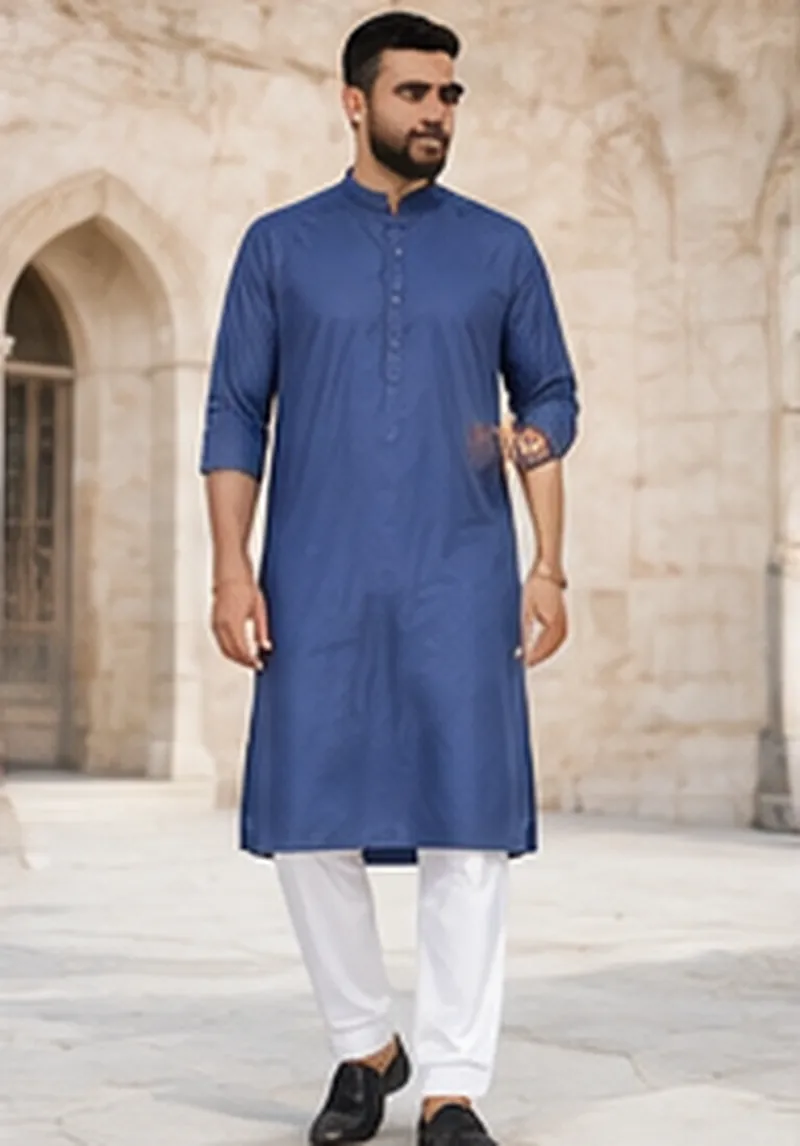
Muslim clothing for men in a very small community
Muslim clothing for men in Iceland is shaped by a community that is small, close-knit and spread across a handful of towns, with most men living in or around Reykjavik. Many came to work in fishing, construction, tourism, healthcare and technology, while others arrived as students or refugees, and a few are Icelanders who embraced Islam. That diversity shows in a congregation where a Bosnian suit, a Pakistani kurta and a Moroccan jellabiya can stand side by side.
What unites them is modesty, which most Muslim men take to mean covering from navel to knee as a minimum and preferring clean, roomy clothes. Specific questions, such as trouser length or silk, receive different answers from different scholars, and a man who wants certainty should consult a teacher he respects instead of relying on internet forums.
Because there is no large specialist market, Icelandic Muslim men often think more carefully about each purchase of Muslim clothing for men. A kurta is not only a cultural choice but also a layer, and it must function beneath a jacket as well as on its own in a heated prayer room.
A kurta under a shell: practical Islamic menswear
Many men in Iceland like the kurta, a tunic reaching the knee or lower and worn above trousers, in the cold months since it gives another warm layer and leaves the body free to move. Cotton kurtas serve as indoor wear, while thicker versions in wool or cotton-wool blends keep out the chill. Under a parka, the long hem adds warmth around the hips.
In Islamic menswear, thobes and jellabiyas work in a similar way but are longer, so they are often reserved for prayer and festive days. Walking in them across icy pavements requires care, and many men lift the hem slightly or wear a shorter garment outdoors and change inside the mosque.
- Cotton kurta over thermal underwear for indoor prayer
- Wool-blend kurta with straight trousers for office days
- Thobe under a long parka for short walks in winter
- Fleece-lined shalwar for cold evenings at home
Dark colours dominate modest menswear between October and April, while lighter shades appear for summer and for Eid.
Modest menswear for fishing, building and outdoor work
Icelandic work often happens outdoors, which makes Muslim men's clothing as much a question of safety as of style. Men on fishing boats, building sites, geothermal plants and tourist excursions wear insulated overalls, waterproof jackets and steel-toed boots, and these garments are loose enough to meet modesty standards. Long-sleeved thermal tops are favoured over short sleeves for the same reason.
Employers are subject to Icelandic labour and equality rules, and discrimination on religious grounds is generally prohibited, though a man who feels uncertain about his rights can ask his trade union or an advice service. Safety rules are taken seriously in Iceland, and loose long garments near machinery are not appropriate, so work wear and prayer wear are best kept apart.
Prayer at work is another matter of practice. Many Muslim men agree short breaks with colleagues, using a quiet room, and carry a compact mat. Midday prayer times change greatly with the seasons, and employers respond best to clear, predictable requests.
Cold, wudu and Muslim men's clothing in the prayer room
Wudu, the washing done before prayer, consists of cleaning the face, hands and forearms, passing a wet hand over the head and rinsing the feet. In an Icelandic winter, hot water is generally available indoors because of the country's geothermal heating, which makes the practice comfortable in mosques and homes. Sleeves that roll up easily are a real convenience.
Many scholars permit wiping over socks or leather footwear under certain conditions, and different schools describe those conditions differently. Men who are curious about this can ask their imam, and in the meantime, keeping a spare pair of dry wool socks in a bag is useful on slushy days.
Outdoor shoes should be easy to take off. Ankle boots with side zips or slip-on waterproof shoes save time at the door of a prayer room, and a shoe bag keeps wet footwear away from the carpet.
Swimming pools, hot springs and men's swimwear
Icelandic pools and hot springs are a national pastime, and men are expected to wash thoroughly without swimwear before entering. For some Muslim men this communal shower is unfamiliar, while others find it unproblematic. Opinions differ, and pool staff can explain the practice and the facilities available.
Swim shorts that reach the knee are widely available and match the usual understanding of modest menswear. Some men choose swim leggings or a rash vest as well. Many pools have separate cubicles, and visiting at quieter times provides more privacy.
Hot springs in the countryside are often free to enter, but changing facilities may be limited. A large towel robe, a quick-dry kurta and sandals make the process comfortable, and checking local safety signs is wise because water temperatures can vary.
Where to buy Islamic menswear in Iceland
A few shops in Reykjavik and ethnic grocery stores carry basics of men's Islamic wear such as prayer caps and fragrances, but most Islamic menswear is bought online or abroad. Orders from the United Kingdom, Turkey, Pakistan, Malaysia and the Gulf arrive by post, and men often collect parcels from the local post office.
Iceland belongs to the European Economic Area, and consumers benefit from rules on distance selling, though sellers outside the area may follow different standards. Complaints about a faulty order can be raised with the Icelandic authority for consumer protection, and reading the return policy before ordering is the sensible step. Import taxes can affect the final price.
Outdoor shops supply the technical layers that complete an outfit. Merino base layers, wool socks, hardshell jackets and insulated boots are sold in many Reykjavik stores, and a kurta or thobe can be worn comfortably over or under these items.
Friday prayer, Eid and travelling light
Friday prayer takes place in Reykjavik, and men often travel from nearby towns for it. The day's weather can be harsh, so a spare shirt, dry socks and a thermal flask are standard in many cars. Smart casual dress or a thobe is typical for comfortable Muslim clothing for men on Fridays, and no one expects a perfect outfit.
Eid gatherings bring families together, and children's small thobes and kurtas appear in family photographs, for a morning prayer and a meal, and men often wear a new kurta or thobe with a warm coat. Because Eid dates shift around the year, the celebration may fall in the dark of December or in the bright nights of June, each with its own dress code.
Men who travel across the country for work or sightseeing pack light: two kurtas, a packable shell, a wool hat, a compact mat and a small bag for wet shoes. That kit handles most of what Iceland demands.
Frequently asked questions
How do Muslim men dress for Iceland's winter?
They usually layer thermal underwear, a kurta or shirt, wool or fleece and a windproof coat, then add a hat, gloves and waterproof boots. Long garments such as kurtas fit naturally under parkas and meet modesty requirements.
Are there rules about swimming for Muslim men in Iceland?
Pools ask everyone to shower without swimwear before entering, which some men find uncomfortable. Knee-length swim shorts are normal, private cubicles often exist, and opinions among scholars vary, so each man decides according to his understanding.
Where can I buy a thobe in Iceland?
Specialist shops are rare, so most men order online from British, Turkish, Pakistani or Gulf sellers, or buy while travelling. Reykjavik shops cover basics such as caps, and outdoor stores supply technical layers.
Can I pray at work in Iceland?
Many employers agree to short prayer breaks and a quiet space when asked clearly. Practice varies by workplace, and unions or advice services can help if there is a disagreement. Prayer times shift greatly with the seasons.