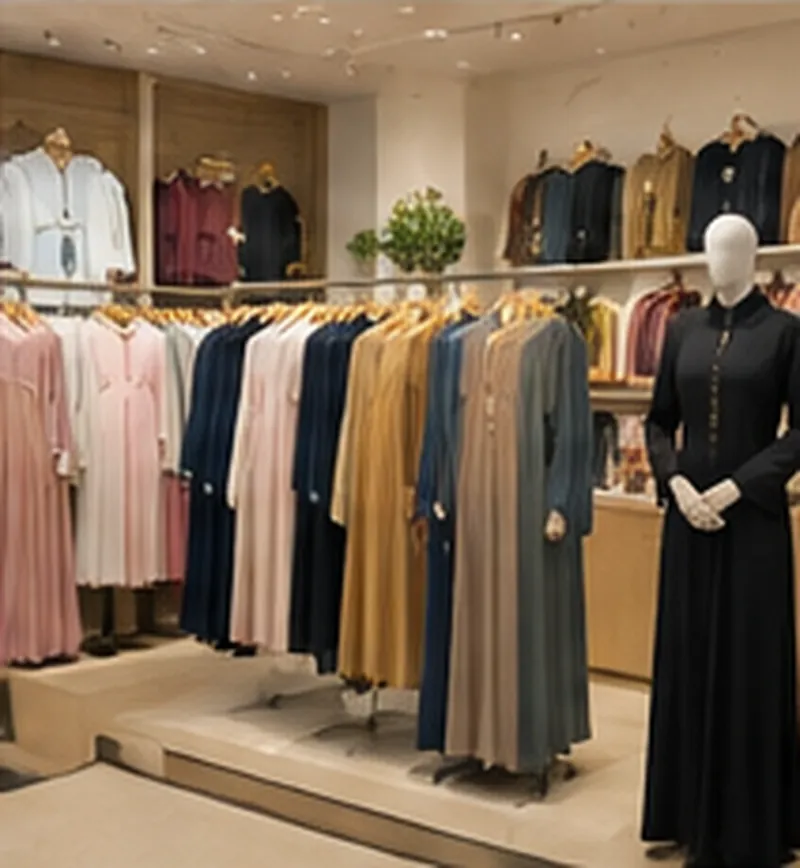
Modest clothing in Malaysia: a national style
Modest clothing in Malaysia has a strongly national character. Islam is the official religion of the federation, and the majority of Malays are Muslim, so pakaian Muslim, as it is called in Malay, appears in offices, schools, universities and shopping malls. The best-known garments, the baju kurung and baju Melayu, are Malay dress that doubles as Muslim dress, which is why the two are so closely associated.
The country is also home to Muslims of Indian, Arab, Chinese and indigenous Bornean backgrounds, and many of them wear the same everyday clothes or add elements of their own heritage, such as a salwar kameez or an Arab-style abaya. Visitors from abroad often notice how fluid the range is.
Views on what level of covering is required vary among Muslims, and Malaysians follow family custom and the advice of religious teachers. This description sets out common practice rather than rules.
Children learn the look early. Schoolgirls wear a baju kurung or a pinafore with a white tudung, and schoolboys wear shirts with long trousers, with a songkok on Fridays at some schools. The styles are therefore familiar to everyone long before they choose their own.
Baju kurung, kebaya and the tudung
The baju kurung is a long, loose tunic worn over a matching ankle-length skirt, usually with a plain or patterned scarf. It is the standard women's outfit for school uniform, work and festivals, and variations such as the kurung moden, with a tailored fit and modern details, are popular. The kebaya, a fitted blouse worn with a batik sarong, is a more formal alternative, often seen at weddings and cultural events.
The tudung is the Malay word for the headscarf, and styles are numerous. The bawal is a square piece folded diagonally, shawls come as long rectangles, and ready-made instant tudung are pulled over the head in seconds. Fabrics such as chiffon, cotton voile and satin are used. An inner cap or ciput keeps the scarf in place and hair covered.
For prayer, women use a telekung, a two-piece or one-piece garment with a hood and a flowing cloak. Telekung in light cotton or silk-like fabric folds small and is widely given as a gift. Malaysian-made telekung are common choices for pilgrimage clothing.
Baju Melayu, samping and songkok: Muslim clothing for men
The baju Melayu is a two-piece outfit of a long-sleeved tunic and matching trousers, usually worn with a samping, a short sarong of songket or batik wrapped around the waist. Along with the songkok, a black velvet cap, it forms a complete costume for Friday prayers, weddings and Hari Raya. The cekak musang style has a short stand collar, and the teluk belanga style has a round neckline with a hidden placket.
In everyday life, Malaysian men wear modest clothing in the form of shirts and trousers, sometimes with a songkok on Fridays. Some also wear a jubah, a long robe, or a kurta. At royal and state ceremonies, elaborate headgear called tengkolok and richly woven songket are worn.
- Baju Melayu: tunic and trousers, in cekak musang or teluk belanga cuts.
- Samping: short sarong of songket or batik worn over the trousers.
- Songkok: black velvet cap for prayer and formal wear.
- Jubah: long robe worn by some men on religious occasions.
Fabrics and care for modest clothing in the tropics
Malaysia is hot and humid all year, with heavy rain at certain seasons, so breathable fabrics are essential. Cotton, voile, lawn, rayon and light crepe are the usual choices for daily modest clothing, and light colours are common. Many women wear an inner layer of thin cotton to absorb perspiration, and loose cuts allow air to circulate.
For festive Islamic clothing, songket, a handwoven cloth with gold or silver thread, and batik, made by waxing and dyeing, are prized. Terengganu and Kelantan are known for songket and batik, and weavers still work in villages. Lace, brocade and satin appear in bridal clothing.
Colourfast dyes matter because of frequent washing. Many households air-dry in strong sun, so shade-drying helps protect batik and delicate embroidery.
Evening and office wear mixes in pieces from regional neighbours: a long Indonesian-style kebaya, a Middle Eastern abaya or a Turkish-style scarf. Such variety reflects how open Malaysian fashion is to ideas from other Muslim communities.
Where Malaysians shop for Muslim clothing
In Kuala Lumpur, Jalan Tuanku Abdul Rahman is a long-established street of textile shops, and Kampung Baru is a traditional Malay neighbourhood with stalls and eateries. In Kota Bharu, the Siti Khadijah market, largely run by women traders, is known for produce, textiles and handicrafts, and Kuala Terengganu's Payang market is associated with songket and batik.
Shopping malls devote floors to modest clothing, and local labels release seasonal collections of baju kurung, scarves and prayer sets. Home-based entrepreneurs sell Muslim clothing via social media and live streams, and tailors offer made-to-order outfits within a few weeks.
Before Hari Raya, special bazaars are set up in towns. Prices can vary greatly between shops, so compare materials and stitching before deciding, and ask whether alterations are included.
Pre-loved clothing and thrift stalls are also popular, particularly for children's outfits that will be outgrown by the next Raya.
Hari Raya, weddings and colour themes
Hari Raya Aidilfitri is the main moment for new Muslim clothing and modest clothing in general. Many families select a colour theme for the year and have matching baju kurung and baju Melayu sewn in the same shade, so that grandparents, parents and children appear in coordinated outfits for the open house visits that follow the prayer.
Hari Raya Haji and the fasting month also bring their own wardrobe. Weddings involve the akad nikah, where the groom wears baju Melayu with samping and the bride wears a modest gown or kurung in white or pastel, followed by a reception in songket or lace.
Gifts of fabric, telekung or tudung are given to relatives and friends, and festive shopping is often planned months ahead.
Religion, law and consumer protection
The Federal Constitution declares Islam the religion of the Federation while allowing other faiths to be practised in peace. Matters of Islamic law and Islamic clothing for Muslims are mostly handled at state level, and rules in schools, workplaces and public institutions vary, so it is wise to read the policy where you study or work.
Consumers are covered by the Consumer Protection Act 1999, which prohibits misleading claims and provides for a tribunal, the Tribunal for Consumer Claims Malaysia, to resolve smaller disputes. The ministry responsible for domestic trade and consumer affairs accepts complaints.
The word syar'i, used for stricter styles of modest clothing, is a style label rather than a certificate, and the same is true of halal when applied to clothing.
Frequently asked questions
What is a baju kurung?
The baju kurung is a long, loose tunic worn with a matching skirt, common among Malay women for work, school and festivals. It is usually paired with a tudung and comes in cotton, satin or songket.
What does a man wear for Hari Raya?
Most men wear the baju Melayu, a tunic and trousers, with a samping wrapped at the waist and a songkok cap. Families often choose matching colours for the festival. Many families choose one colour theme each year so that everyone appears coordinated in photographs.
What is a telekung?
In Malaysia women pray in a telekung, typically a hooded upper piece paired with a long skirt, or one flowing garment. It is made in light fabric, folds small and is popular for pilgrimage.
Where can I complain about a faulty garment?
The Consumer Protection Act 1999 allows claims through the Tribunal for Consumer Claims Malaysia for smaller disputes. Keep your receipt and photographs and first contact the seller in writing. Most disputes begin with a polite written request for a repair or refund.