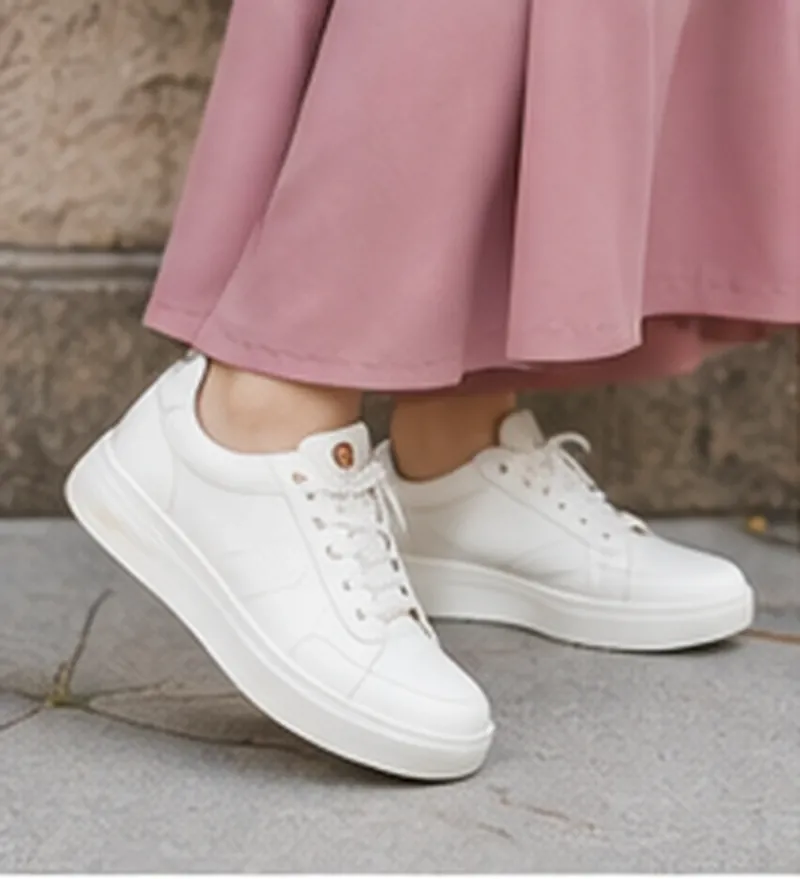
What Islamic shoes for women means
Islamic shoes for women is not a religious category in the way prayer garments are. It is a convenient label sellers and shoppers use for footwear that suits modest outfits: shoes that are secure on the foot, comfortable for walking in long skirts or robes, and easy to remove at the door of a home or a mosque.
Different women have different expectations. Some prefer shoes that fully cover the foot, and may add socks or tights, while others wear open sandals in warm weather. Views among Muslims on the matter differ, so the decision belongs to the wearer and her own understanding.
Practicality is the common thread. A woman in a long abaya spends a lot of time on pavements, stairs and buses, and her shoes must support the whole day.
Shoe choice also shows how traditions overlap. In the Gulf, many women pair a black abaya with neat sandals or sleek trainers, in Malaysia flat shoes complement a baju kurung, and in North Africa babouche slippers are worn with the djellaba. Islamic shoes for women therefore range from fashion pairs to heritage designs.
Types of modest shoes for women
Ballet flats are the classic companion to long skirts and robes: light, easy to slip off and unobtrusive. Loafers add structure for work, and lace-up leather shoes, such as a black pair with white soles, give a smart, supportive base for tailored trousers and tunics.
Ankle boots, in leather or suede-like fabric, work from autumn onwards and keep hems clear of puddles. Trainers are favoured for commuting and long walks, with slim white or neutral styles pairing easily with abayas and shirt dresses.
- Ballet flats and pointed pumps for formal days
- Loafers and brogues for work and study
- Ankle boots for wet or cool weather
- Trainers and slip-on canvas shoes for walking
Heels are a matter of taste and health. Low block heels are more stable than stilettos on stairs or long hems.
Children's and teenagers' needs differ, and school shoes often have set requirements. Choose sturdy, supportive pairs, and keep a second pair of indoor shoes for the mosque or family home.
Matching footwear for abayas and long hems
A hem that touches the ground collects dirt and can catch under a heel, so the best footwear for abayas has a flat or slightly raised sole and a smooth profile. Look at where your hem ends when you walk, and choose shoes that do not snag the fabric.
Colour pairing is simple. Black, tan and white leather work with most outfits, while metallic or coloured shoes can be reserved for special occasions. Matching shoes to a bag creates a neat, intentional look.
Think about shape. Rounded toes suit relaxed outfits, pointed toes lengthen the line of a column dress, and chunky soles balance wide trousers.
For summer, breathable leather sandals with a closed back or a toe strap offer security. Modest shoes for women who wish to cover the foot can be worn with fine socks in cotton, which also absorb sweat.
Comfort, support and fit
Women in modest dress often walk a good deal, and comfortable shoes protect the feet and back. Look for cushioned insoles, flexible soles, good arch support and a roomy toe box. Shoes should be tried on in the afternoon, when feet are slightly larger. Islamic shoes for women should be judged by how they feel at the end of the day.
Test the grip of the sole on a smooth surface, since polished mosque floors and wet pavements can be slippery. Secure fastenings such as laces, straps or elastic prevent slipping when you move quickly.
If you have foot pain or a medical condition, a podiatrist or doctor is the person to advise on suitable shoes. Insoles and wider fittings can help, and many brands now offer extended widths.
Lining and seams matter. A rough internal seam can cause blisters over a long day, and a smooth fabric lining is kinder to bare skin or thin socks.
Shoes for the mosque, prayer and travel
Shoes are removed before entering a prayer space, so slip-on or easy-lace styles save time. Clean, odour-free socks or tights are also worth bringing, and a small shoe bag helps where shoes are not left at the door. Footwear for abayas that is simple to remove saves time before every prayer.
Travellers should choose shoes that cope with queues, stations and uneven pavements. Lightweight trainers and flat leather shoes are common, and a second pair is wise if you expect rain.
If you perform ritual washing before prayer, shoes that come on and off easily and socks that dry quickly make life simpler. Some women use thin leather socks, while others simply wash and wear regular socks; a qualified scholar can explain the rulings that apply.
Materials and care
Leather is durable and breathable and moulds to the foot, but it needs polishing and waterproofing. Faux leather is cheaper and easy to clean, though it may not breathe as well. Canvas is light and washable, and textile trainers suit warm climates. Modest shoes for women last longest when rotated.
Rotate pairs so each can dry fully between wears, and use cedar shoe trees or newspaper to hold their shape. Replace worn heels and soles quickly, as an uneven sole can strain the knees and hips.
Check how materials are sourced if this matters to you. Some women prefer vegan alternatives or leather from sellers who describe their tanning methods clearly, and good descriptions on product pages help.
Waterproof sprays suit leather and suede, and a stain remover helps with canvas. Footwear for abayas, which often spends the day at the edge of damp fabric, benefits from a quick wipe each evening.
Colour, style and occasion wear
For everyday life, neutral shades give the greatest flexibility. Black, tan, grey and white shoes go with nearly every colour of robe, and a single well-cared-for pair of each lasts for years. Islamic shoes for women in plain colours also resist fashion changes.
For celebrations, women often choose satin pumps, embellished flats or metallic sandals that echo beading on the dress. Comfortable soles are still important because weddings and Eid gatherings involve long hours on foot.
Seasonal changes call for different pairs. Waterproof boots in winter, breathable canvas in summer and light suede in spring keep women's footwear for modest outfits practical and attractive all year.
Take a photograph of outfits with the shoes you intend to wear, then adjust before the day. It is a small habit, but it prevents the common problem of buying shoes that do not match any existing clothes.
Buying advice and sizing
Measure your feet and consult the size chart of each maker, since fit varies between brands and countries. Keep a record of the sizes that suit you in each label.
Online buyers should check returns policy and delivery time, as shoes often need exchanging. Read independent reviews for comments about sizing, comfort and the quality of the sole.
When possible, try shoes in a shop with the socks, tights or insoles you will actually wear. This is particularly important for anyone who covers her feet fully and needs additional room.
Frequently asked questions
Are there religious rules about shoes for women?
There is no single rule prescribing a type of shoe. Many Muslim women simply choose closed, comfortable footwear that suits long clothing, while others wear sandals. For questions on covering the feet, consult a qualified scholar you trust.
What shoes go best with an abaya?
Flat or low-heeled shoes such as ballet flats, loafers, ankle boots and slim trainers pair well. Choose a smooth profile that does not snag the hem, and match colour to your bag or scarf for a coordinated look.
Are heels suitable with long robes?
Low block heels can work for special occasions, but high stilettos catch hems and are unstable on stairs. Comfort and safety matter more than height, and many women prefer flats for daily wear.
How do I make shoes easy for the mosque?
Choose slip-on or loosely laced styles that come off quickly, keep clean socks in your bag and carry a small cloth bag if shoes cannot be left at the door. Avoid complex straps that slow you down.