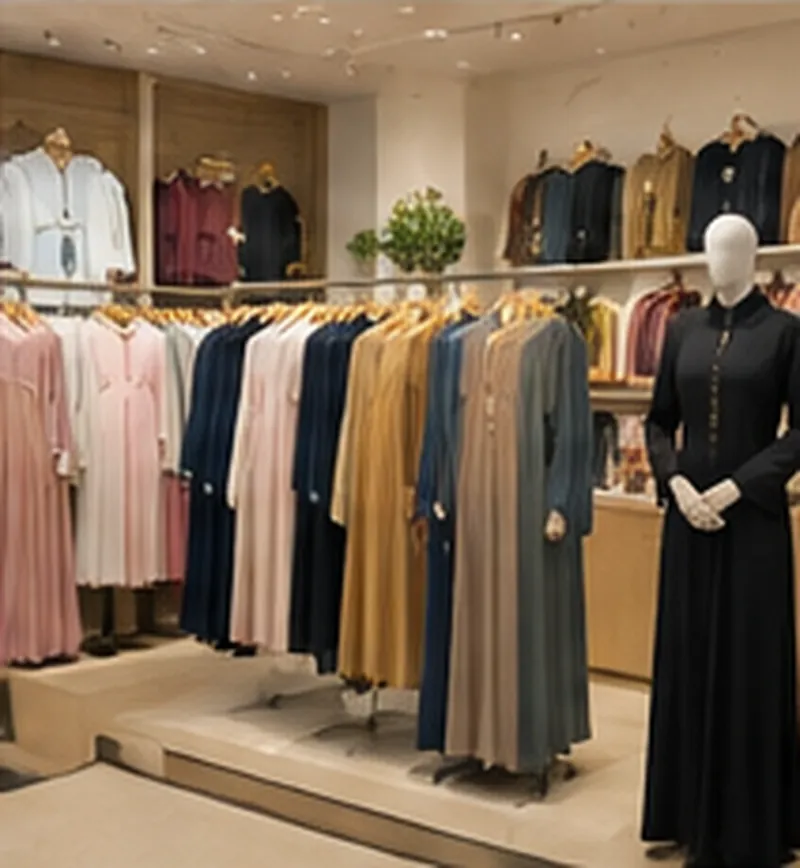
Muslim clothing in India across regions
Muslim clothing in India is not a single costume but a map of regional styles. India is home to one of the world's largest Muslim populations, spread from Kashmir to Kerala and from Gujarat to Bengal, and dress varies with language, craft and climate. A Muslim man in Lucknow, a woman in Hyderabad and a family in Malabar may all call their clothes modest while wearing very different things.
Mughal and Deccan courts left the strongest imprint on formal wear. The sherwani, a long fitted coat, and the achkan are worn by grooms; the kurta with pyjama or churidar is the everyday standby; and the sharara and gharara, flared trousers decorated with gathered panels, are associated with Lucknow and Hyderabad weddings. A skullcap, called a topi or taqiyah, completes the picture for many men.
Opinions among scholars on what exactly counts as sufficient covering differ, and each family chooses accordingly, drawing on custom, education and the guidance of local ulema.
Tailoring remains a living trade. Most families still know a neighbourhood tailor who can stitch a kurta within days, adjust a burqa to a new height or copy a wedding sharara from a magazine picture, and this culture of made-to-measure clothing keeps regional styles alive.
Islamic clothing for women, from sharara to burqa
Women in India wear a wide range of halal clothing. At home and at work, the salwar kameez with a dupatta is the common outfit, while the burqa, a long outer garment often paired with a niqab or a headscarf, is used in many cities, with lighter abaya-style versions growing popular among younger women. In Kerala, many Mappila women have traditionally worn a long tunic, a wrapped skirt and a light headscarf called a thattam.
Celebrations call for finery. Hyderabadi brides wear the khada dupatta, an elaborate set of long, heavily worked layers, and Lucknowi families favour chikankari, a delicate white-on-white embroidery. Zardozi, which uses metallic thread, is used for wedding borders, and bandhani and block prints come from Gujarat and Rajasthan.
- Salwar kameez with dupatta for everyday life.
- Burqa or abaya for outdoor wear in many cities.
- Sharara and gharara for weddings in Lucknow and Hyderabad.
- Pheran for winter in Kashmir.
- Thattam with long tunics in the Mappila tradition.
Men's Muslim clothing: kurta, lungi and sherwani
For men, the kurta-pyjama is the most recognisable Muslim clothing in much of northern India, often in white or pastel cotton for Friday prayer and in darker shades for the cooler months. Pathani suits, which pair a long shirt with loose trousers, are widely worn among Pashtun-descended communities and across the north.
In the south and east, wrapped garments dominate: the lungi in Bengal, Tamil Nadu and Hyderabad, and the mundu in Kerala, where a white mundu with a short shirt is a normal choice for both mosque and wedding. Hyderabadi grooms may wear a sherwani with a decorated turban, and Kashmiri men wear the pheran, a loose woollen gown, over winter layers.
A skullcap is worn in prayer by many men, and styles range from crocheted white caps to the embroidered topi of Lucknow and Bhopal. Colours and fabrics follow regional preferences rather than a single rule.
Fabrics for heat, humidity and monsoon
Most of India is hot for much of the year, and humidity or monsoon rain makes heavy fabrics uncomfortable. Modest clothing in India therefore leans on mulmul, a very fine cotton, on voile, khadi, linen and rayon. Block-printed cotton from Rajasthan and mill cotton from Gujarat and Tamil Nadu are easy to wash and dry.
In halal clothing for men and women alike, silk, brocade and georgette are reserved for weddings and Eid. Scholars differ over the use of silk by men, and the way these views are applied varies from one community to another, so many families prefer cotton or silk blends for men's festive wear and keep pure silk for women.
In the Himalaya and Kashmir winters, wool and pashmina come into play. A pheran lined with soft wool and a small portable fire pot, the kangri, tucked inside is a famous local solution to the cold.
Whatever the region, Muslim clothing in India is chosen for the weather first, which is why cotton remains the most popular halal clothing fabric from Kashmir to Kerala.
Markets and craft towns for modest clothing
Indian cities have historic markets where Muslim clothing, fabrics and accessories are sold. In Hyderabad the Laad Bazaar near the Charminar is renowned for bangles and bridal accessories; in Lucknow, Aminabad and the old Chowk are known for chikankari work; in Delhi the streets around Jama Masjid and Chandni Chowk have fabric dealers, tailors and burqa shops; and in Mumbai, Mohammed Ali Road and Bhendi Bazaar become packed on the nights before Eid.
Smaller towns have their own weaving and embroidery traditions, and much Islamic clothing starts there to supply national demand. Buyers who want the real craft should ask about the origin of the cloth and the maker, and compare prices between cooperative shops and street stalls.
Online marketplaces and boutique sites selling halal clothing sell across the country, and many local tailors will copy a design from a photograph in a few days. It is a good idea to confirm the fabric content and the return policy in writing.
Eid, weddings and festival shopping
In the weeks before Eid al-Fitr, bazaars stay open until late, and the night before the festival, known as Chaand Raat, is a season of shopping for bangles, henna and new clothes. Children receive a new set of clothes, called the Eid ka joda in some regions, and families go to the Eidgah in their finest.
Weddings follow regional customs, and wedding outfits are the most elaborate Muslim clothing of the year. In North India, a groom might wear a sherwani with a safa turban, and a bride a heavily embroidered lehenga or sharara. In Kerala, ceremonies lean toward simpler white or gold-bordered garments, and in Bengal toward silk or cotton with red or maroon accents.
Eid al-Adha, called Bakrid in many regions, and Muharram involve different clothing choices: bright for celebrations and plain, sober tones for days of mourning and remembrance.
Schools with uniforms usually specify colours and cuts for pupils, and families who want a longer sleeve or a scarf in the same shade may need to ask for a written exception.
Law, schools and consumer rights
Indian constitutional law protects freedom of conscience and the free practice of religion, within limits set by public order, morality and health. Questions about religious dress in public institutions have occasionally reached the courts, and in 2022 a dispute about headscarves in some state school classrooms drew wide public attention and legal proceedings, so families should check the current rules of their school.
As a shopper, you are protected by the Consumer Protection Act, 2019, which provides for consumer commissions where buyers can complain about defective goods and unfair trade practices, and which also applies to e-commerce. Keep invoices, take photographs of problems and put complaints in writing.
Treat this as a general overview, not legal advice, because states and institutions may apply different rules.
Frequently asked questions
What do Indian Muslim men wear for Eid?
Many wear a freshly pressed kurta-pyjama in white or a pastel shade, often with a waistcoat and a topi. In some regions people wear a Pathani suit, a sherwani or, in Kerala, a white mundu with a shirt.
What is chikankari?
Chikankari is a delicate hand embroidery from Lucknow, often worked in white thread on fine cotton or muslin. It is used for kurtas, kameez tops and dupattas, and is popular in summer and for Eid.
Which fabrics suit Indian summers?
Light cotton, mulmul, voile, linen and rayon let the body breathe. Block-printed cotton is easy to wash. Keep silk, brocade and georgette for weddings and festivals. Choose pale colours, which reflect heat, and wash new cotton once before wearing it.
Where can I complain about defective clothing?
Under the Consumer Protection Act, 2019, buyers can approach consumer commissions about defective goods or unfair trade practices, including in online sales. Keep your invoice and photographs and first write to the seller.