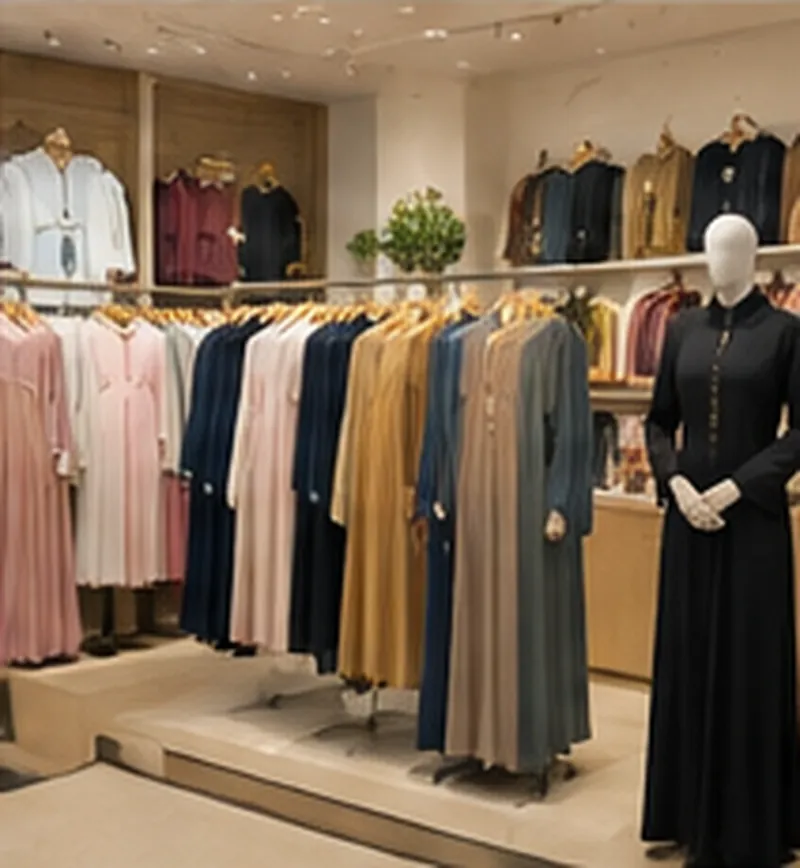
Muslim clothing in Australia and its long history
Muslim clothing in Australia has roots that go further back than many people expect. Afghan cameleers, who worked the inland routes in the nineteenth century, were among the earliest Muslim arrivals, and later migration brought Turkish, Lebanese, Bosnian, Pakistani, Indonesian, Somali, Sudanese and Iraqi families. Each group carried its own dress, and the result today is a varied picture across the big cities.
In daily life, a modest Australian wardrobe often means loose cotton shirts with long sleeves, maxi skirts, wide trousers and a hijab in breathable fabric. Men may wear linen shirts and trousers, with a kufi or a white thobe on Fridays. For celebrations, Afghan embroidered tunics, Arab abayas and Indonesian kebayas appear alongside each other.
Views differ about the exact details of covering, so decisions are personal and often follow the guidance of a local imam or the practice of the family.
Younger Australians raised in the suburbs of Sydney, Melbourne and Brisbane often describe their style as simply local: a long denim shirt dress over leggings, a sports hijab for netball and the family's festival outfit saved for Eid. The older generation's tailored kaftans and embroidered scarves are kept for weddings and religious holidays.
Dressing for heat and UV: modest clothing in the sun
Australian summers are hot and the sun is intense, so halal clothing here puts a premium on lightness. Natural fibres such as cotton, linen and viscose are the staples. Loose cuts allow air to move, and pale shades reflect heat, which is why white and pastel abayas are popular in the warmer months.
Long sleeves and wide-brimmed hats double as sun protection, and Muslim clothing with a loose, full cut is naturally suited to it, and many women appreciate that modest dress cuts sun exposure on the arms and legs. A light scarf worn as a hijab can be damp-wiped for cooling, and an inner cap with a cotton band prevents sweat from reaching the forehead. Sunglasses and a hat over the scarf are common on school sports days.
- Linen or cotton abayas and shirt dresses in pale colours.
- Breathable viscose or modal hijabs with an inner cap.
- Wide-brimmed hats that sit comfortably over a scarf.
- Cotton-lined trousers rather than synthetic leggings.
The burkini story and Islamic clothing for sport
Australia gave the world the burqini, a full-coverage swimsuit with a hood, designed by Aheda Zanetti, a Lebanese-Australian designer from Sydney, in the early 2000s. Created so that Muslim girls and women could join in swimming and surf life without feeling self-conscious, it grew into a global category of modest swimwear.
Surf life saving clubs have welcomed volunteers in covering swimwear, and municipal pools often accept it, as long as it meets hygiene rules. Sports hijabs, long sleeved rash vests, leggings and loose shorts over tights are widely sold for netball, football and running.
Because beaches are a big part of the national culture, families often choose a coverage level that suits them and use a beach shirt, a light kaftan or a swim skirt for comfort. As with other garments, the ideas of what is acceptable differ among Muslims, and individuals decide according to conviction.
Where Australians shop for halal clothing
Specialist suburbs have long served Muslim shoppers. In Sydney, areas such as Lakemba, Auburn and Punchbowl are well known for shops selling abayas, thobes, prayer sets and fabric, and in Melbourne, suburbs such as Dandenong, Coburg and Broadmeadows have comparable high streets. Brisbane, Perth and Adelaide have smaller but active clusters near mosques and community centres.
Independent designers of halal clothing have built businesses online, offering modest swimwear, relaxed abayas and hijabs shaped to the climate, and they often sell at weekend markets. Mainstream chains sell modest clothing such as wide-leg trousers, midi dresses and long cardigans which are easy to adapt.
Because Australia is large and shipping across the continent can take time, buyers should check where an online seller dispatches from. Parcels from overseas may attract customs processing and taxes.
Fabric stores selling cotton lawn, chiffon and crepe by the metre also support home sewing, and community sewing groups hold sales before Eid, often raising money for local charities.
Your consumer rights under Australian Consumer Law
Australia has a single national consumer law, the Australian Consumer Law, enforced by the Australian Competition and Consumer Commission together with state and territory fair trading agencies. It gives buyers of Muslim clothing statutory consumer guarantees, which means that clothing must be of acceptable quality, match its description and be fit for the purpose for which it was sold.
If an item fails to meet these guarantees, the buyer is entitled to a remedy: a repair, replacement or refund for a major problem, and a repair or refund for a minor one. A shop cannot refuse help by saying that there are no refunds. Change-of-mind returns, however, are a matter of store policy, so ask in advance about special order or sale garments.
Online sellers advertising to Australians are expected to comply with the same standards, and a claim such as halal clothing is a marketing term rather than an official certification.
In hospitals and other workplaces with uniforms, employers are increasingly open to asking staff what they need, for example a washable scrub hijab, rather than guessing.
Work, school and religious dress
Protection against discrimination on the basis of religion in Australia comes from a patchwork of state and territory laws, and the details differ across jurisdictions. Employers are usually expected to treat employees fairly and may need to consider reasonable adjustments, while safety requirements in some trades can lead to special solutions such as fitted work hijabs.
Australian schools set their own uniform codes, and modest clothing is generally accommodated, and many state schools and Islamic schools alike offer long-sleeved shirts, trousers, skirts and scarves in the school colours. Sun-safe policies, which require hats outdoors, can be satisfied with an approved hat over the scarf.
These remarks are general. Anyone who needs specific advice about a dispute can approach a state anti-discrimination body or a community legal centre.
Eid, weddings and community events
Eid in Australia can fall in either the heat of summer or the cool of winter, depending on the year, and communities gather in parks and halls for prayers followed by picnics. Children appear in new outfits, often embroidered tunics for boys and shimmering dresses with leggings for girls, and families dress to match their cultural background.
Weddings bring many traditions of Islamic clothing together. Lebanese brides may wear a white gown with sleeves and a veil, Afghan ceremonies feature richly embroidered dresses, and South Asian weddings bring bright lehengas. Guests are expected to dress modestly, and shops that rent formal modest dresses are useful.
Beyond ceremonies, the quiet strength of Muslim clothing in Australia is its practicality: fabrics fit the weather, hems and sleeves protect against the sun, and shoppers have a lively choice between local makers and community stores.
Frequently asked questions
Who invented the burkini?
Aheda Zanetti, a Lebanese-Australian designer in Sydney, created the burqini in the early 2000s as a full-coverage swimsuit with a hood, so Muslim girls and women could swim and join beach life comfortably.
Which fabrics suit Australian summers?
Light cotton, linen, viscose and modal let air circulate. Loose cuts and pale colours reflect heat, while long sleeves and a hat give sun protection. Avoid heavy polyester in hot weather.
Can I return a dress I simply dislike?
Change-of-mind returns depend on the store's policy. The Australian Consumer Law guarantees remedies only for faulty goods or those not matching the description, so ask about the policy before buying.
Where are Muslim clothing shops in Sydney and Melbourne?
In Sydney, Lakemba, Auburn and Punchbowl are known for specialist shops. In Melbourne, suburbs such as Dandenong, Coburg and Broadmeadows have them. Many designers also sell online and at markets.