What a chechia is
A chechia is a close-fitting cap with a flat top and straight sides, made of wool that has been knitted, felted and brushed until it is dense and soft. The most familiar colour is a deep red, and many caps carry a short silk or wool tassel that falls over the crown. It sits on the head without a brim, and it is the traditional men's cap of Tunisia, with related forms in Libya, Algeria and Morocco.
The name comes from the Arabic shashiyya, associated with the cloth called shash. In Tunisia the cap is a symbol of national and urban tradition, and it is widely recognised as a sign of Tunisian identity.
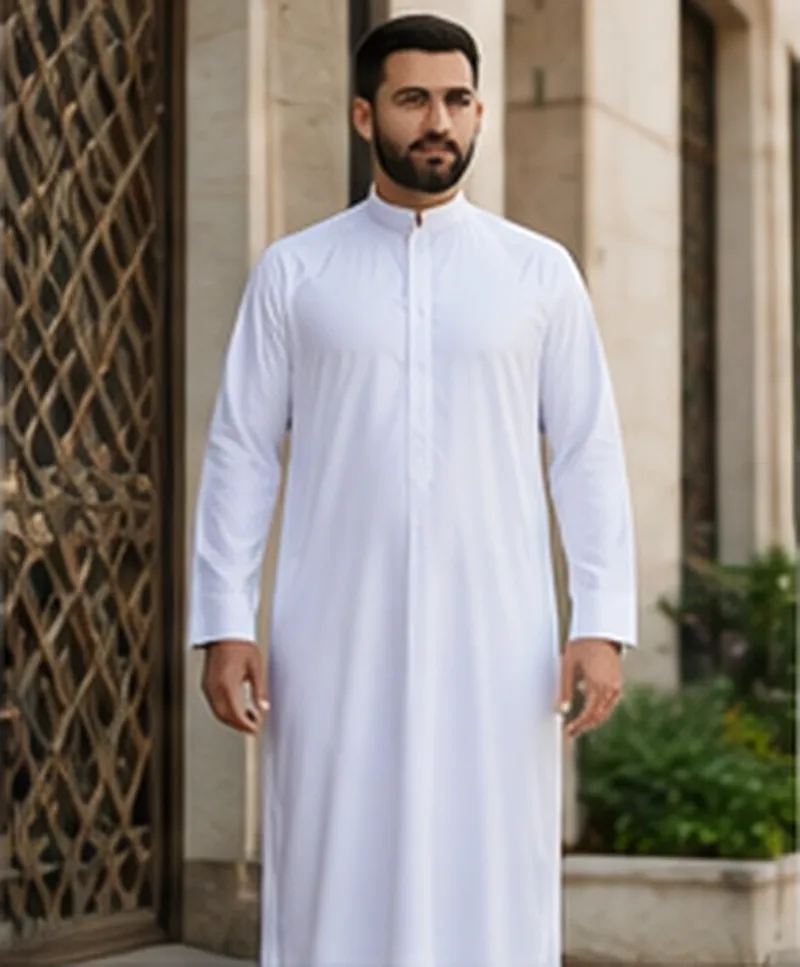
For Muslim men, a chechia is a cultural headwear rather than a religious requirement. It is worn with a jebba, a long traditional garment, or with a modern suit, and it works as a head covering during prayer for those who like to pray covered.
Tunisian craft and the souk tradition
The making of the Tunisian cap is a skilled trade. The wool is knitted into a tall bag-like form, shrunk and felted in hot water to thicken it, raised with a brush or thistle to make a soft nap, then dyed and shaped on a mould. Each stage is usually done by different craftsmen, and the finishing touches, such as trimming the tassel, give the cap its final character.
The medina of Tunis has a famous market quarter for makers and sellers of this headwear, the Souk des Chaouachia, named after the trade itself. Craftsmen in this quarter have for generations maintained the profession, and visitors can still watch the final shaping and pressing in small workshops.
Today the trade faces competition from factory production and from changing fashions, yet the craft remains a point of pride. Buying from a recognised workshop supports the continuity of skills and tends to give a longer-lasting cap.
Chechia, tarboosh and fez: how they relate
The chechia belongs to a broader family of felted red caps that spread across the Mediterranean and the Middle East. The tarboosh, as it is known in Egypt, the Levant and Turkey, is similar in material but usually has a flat top and a slightly more tapered form. The fez cap takes its name from the Moroccan city of Fez and is the term widely used in European languages.
Differences are mostly in height, shape and tassel. The Tunisian version is generally softer and rounder at the crown, while the Ottoman style was stiff and structured. In the early twentieth century the Ottoman headwear became part of official dress and was later removed from public life in Turkey under a hat law of 1925, which made the cap a symbol of the old order there.
In the Maghreb the cap survived as a cultural item, and it has remained a mark of heritage in Tunisia in particular. Elsewhere, you will see the red felt cap in historic photographs, in folk costume and in some religious orders.
Colours, sizes and finishes
Red is the dominant shade and is considered the classic option. Other colours exist, including darker maroon, black, navy and sand tones, and in some places caps are also made in white for summer. The tassel may be dark blue, black or red, and it can be thick or thin, short or long, depending on local taste.
Size is measured around the head. A good chechia should fit securely without pressing and should remain level when you move. Because it is made of felted wool, the cap can adapt slightly to the head over time, so a fit that feels firm at first will often become comfortable after a few wears.
Finishes range from a smooth, almost velvet surface to a rougher textured nap. A fine finish is more formal, while a coarse one is more rustic. Check the inside, where a good cap shows a clean lining and tidy seams. When trying one on in a shop, look in a mirror from the side as well as the front, since the cap should look level from every angle.
How to wear a chechia
Place the cap squarely on the crown with the tassel falling toward the back or the side, depending on custom. It should sit about a finger's width above the eyebrows. Wearing it too far back looks careless, and wearing it too low may hide the forehead.
With a jebba or a long robe, it completes the classic Tunisian outfit, often worn with leather slippers called balgha. With a suit, it brings a distinctive touch to formal dress, particularly at weddings and national celebrations. For prayer, many men wear it as is, while others replace it with a lighter skullcap.
In hot weather, the felted wool can feel warm. Choose a lighter fabric or wear it only for the occasions in which it is expected. Indoors, it is usually removed in private homes according to the host's custom, so follow what others do.
Customs, occasions and respect for tradition
In Tunisia the chechia is associated with weddings, Eid, national days and religious feasts. A groom may wear a new one with his wedding costume, and older men often wear one daily. In other parts of the Maghreb, local caps and turbans take the place of the chechia, so the custom is strongest where the craft remained alive.
Because it is a cultural garment, there is no single religious rule about wearing it. Islamic guidance concentrates on modesty, cleanliness and avoiding pride in dress, and opinions about head coverings differ among scholars and communities. If you need an answer on a particular practice, ask a qualified scholar. A respectful wearer keeps the cap clean and straight, because its neat appearance is part of the tradition.
As a courtesy, treat a gifted cap with care, since a chechia is often chosen as a thoughtful present for a groom or an elder.
Buying, shaping and caring for a chechia
Look for firm felt that springs back when pressed lightly, an even nap and clean, straight edges. The top should be flat and the sides vertical. Avoid caps that show uneven dye or thin patches. Handmade pieces are normally more expensive than machine ones, and a trustworthy seller will explain how the cap was made.
To maintain it, brush the nap gently in one direction with a soft brush and keep the cap away from rain. If it gets wet, blot it with a towel, stuff it with paper to hold its shape and allow it to dry in open air. Do not use heat, which can shrink the felt.
Store the cap on a stand, in a hat box or in a stuffed bag, and avoid squashing it in a drawer. Moths are attracted to wool, so keep it with cedar or lavender sachets and check it from time to time.
Frequently asked questions
Is the chechia the same as a fez?
They are close relatives. Both are felted red caps without a brim. The Tunisian chechia is usually softer and rounder with a tassel, while the fez, or tarboosh, tends to be stiffer and more tapered, as in Ottoman style.
Is it a religious garment?
No, it is a cultural headwear. Some men wear it during prayer, but it is not obligatory. Opinions on covering the head vary broadly, so a specific question is best put to a learned person in your community.
What should I wear it with?
In Tunisia it goes with a jebba and leather slippers, and also with a plain suit on formal occasions. Keep the rest of the outfit in calm colours so the red cap remains the focal point.
How do I clean a felt cap?
Brush it with a soft brush and spot-clean with a lightly damp cloth. If it gets wet, stuff it with paper and dry it naturally, away from heat. Do not machine-wash or wring felted wool.