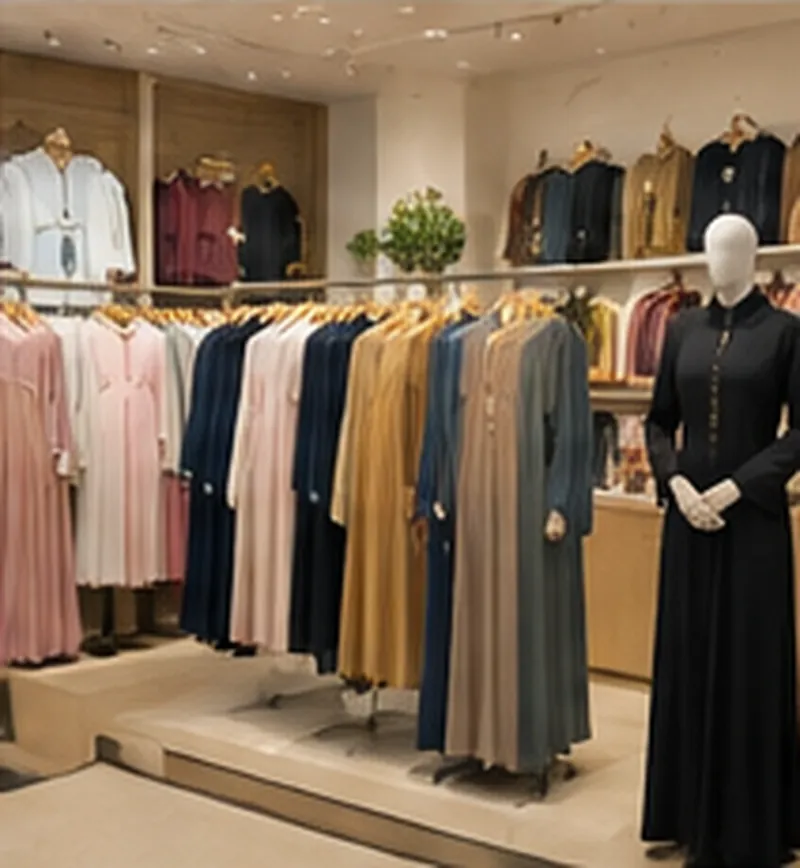
Secours Islamique France: what the association is
Secours Islamique France is a humanitarian association based in France that raises funds and organises relief for people affected by poverty, conflict and disaster. It was set up in the early 1990s by members of the Muslim community, and it works in France and abroad. Muslim donors often know it through appeals at Ramadan, collections for orphans, food distributions and emergency campaigns.
The association is therefore known above all for financial appeals and for programmes it runs itself, not for a nationwide network of clothing bins. That does not mean that clothing is never part of its activity. It means that a person who wishes to donate used garments should not assume a collection point exists near them. The sensible first step is to ask.
Checking current arrangements for used clothing donations
Charities regularly change what they accept. A national association may take goods at a central depot for a particular campaign, close it afterwards and prefer money in the following season. Local branches or volunteer groups may organise their own clothing drives in winter. The only reliable way to know the current position is to contact the organisation.
Before taking any bag anywhere, write or call and put three questions: do you accept used clothing at present, where and when can it be delivered, and what kinds of items are needed or not wanted? If the answer is no, ask whether there is a partner organisation you recommend.
Avoid relying on old web pages, social media posts or messages passed around in group chats. Appeals can expire while still circulating. Check the organisation's own channels and, if possible, get the answer in writing.
Why many charities prefer money to goods
Humanitarian organisations often ask for financial gifts, and the reasons are practical. Sorting, storing and shipping donated clothes takes volunteers, space and transport. Items may not match the climate, size or culture of the people being helped, and customs rules can complicate sending goods abroad. With money, an organisation can buy what is needed locally, which also supports local businesses.
That does not make a clothing donation worthless. Domestic projects, such as help for families in difficulty, shelters and community groups, may need clothes directly, and used items given in good condition can bring immediate relief. Giving both money and good clothes, to the groups that want each, is often the best answer.
In religious terms, charity is rewarded for sincerity and benefit, not for the form it takes. A gift that is useful to the recipient is better than one that causes the charity extra work.
Clothing collection points and textile collection in France
France has an extensive system for textile collection. Many towns have containers for clothing, linen and shoes, run by organisations that collect, sort and reuse or recycle items. Some are operated by charities and social enterprises, and funding for textile recycling in France is organised through an industry body, Refashion, which supports collection and sorting.
Well-known charitable networks that accept used clothing include Emmaüs and its textile branch Le Relais, the Croix-Rouge française with its clothing shops and local committees of the Secours populaire. Availability depends on the town, so check the opening hours and what each point takes. Local councils usually publish a map of nearby collection points.
When using a container, bag items cleanly, tie pairs of shoes together and keep damp or soiled clothing out. Textiles that are dirty can ruin a whole batch.
Muslim organisations and mosque-based clothing drives
For many Muslims, giving through a Muslim organisation matters because they know the recipients will be treated with respect for modesty and religious needs. Local mosques, student associations and community groups often run winter coat drives, Eid clothing appeals and support for newly arrived families, and they may know exactly which sizes and styles are needed.
Ask the imam or the association's committee what is being collected now. Some projects collect modest wear for women, such as long skirts, tunics and scarves, which can be hard for people in need to find through mainstream channels. Others focus on children's clothes before the school year.
Giving locally allows you to see the result. It also lets you follow the Quranic advice to give from what you value, by choosing garments that are clean, intact and useful.
What to give: clothes that suit the people you help
Used clothing donations work best when they match real needs. Winter coats, warm jumpers, sturdy shoes, school clothes and bedding are in demand during cold months, while light clothes matter in summer. Charities that help families sometimes ask for modest items too, such as long skirts, loose trousers and plain scarves, because these are hard to find in ordinary collections.
Avoid items that are torn, stained or out of season, and avoid clothing with offensive slogans or religious writing that may be misunderstood. Underwear and socks are usually accepted only when new. If a volunteer has to throw away half of a bag, the effort of the giver is lost.
A good test is to ask whether you would be content to receive the garment yourself. That simple question, drawn from the Quranic advice to give from what one values, keeps used clothes donations dignified and useful.
Money gifts, receipts and the question of trust
Associations in France that are eligible for tax benefits may issue receipts for monetary donations, and individuals can often claim a reduction. The rules for gifts in kind are different, and a bag of clothes is not normally treated in the same way. Ask the association what applies, and keep any receipt you are given.
Trust matters. Check that the organisation is properly declared as an association under French law, publishes accounts and reports and shows a clear address and contact. Be cautious with unmarked bins and door-to-door collections that do not name a registered body.
If an appeal asks for money in cash on the street or through an unfamiliar link, take time to verify it before giving.
A simple plan for giving used clothes well
Begin by sorting. Separate items that are in good condition from those that are too worn to give. Wash and fold the good ones, and put the unusable textile in a recycling container.
Then choose the route. Contact Secours Islamique France or a local Muslim association to ask about clothing. If they cannot take it, use a charity shop, a reuse network or a textile container run by a trusted organisation. Write down where you took the bag, for your own records.
Finally, make your intention clear to yourself. Giving used clothes is an act of charity when done for the sake of God and for the benefit of others. If you also support relief work with money, you will have covered both needs, and the clothes will be put to use rather than left in a cupboard.
Frequently asked questions
Does Secours Islamique France accept used clothes?
Arrangements change over time, so contact the association directly to ask whether it takes clothing now, where to deliver it and what is needed. It is best known for appeals and its own programmes, so do not assume a drop-off point exists.
Where else can I give used clothing in France?
Options include charity networks such as Emmaüs and Le Relais, the Croix-Rouge française, local Secours populaire committees, municipal textile containers, and mosque or community drives. Opening hours and accepted items vary by town.
Is money better than clothes?
Often, for large relief organisations, because they can buy what is needed locally and avoid transport costs. Local projects may still welcome clean, wearable clothes. Ask the organisation what it prefers.
Do I get a tax receipt for donated clothes?
Receipts and tax reductions generally relate to monetary gifts to eligible associations, while gifts in kind are treated differently. Ask the association what it can provide and keep any document you are given.