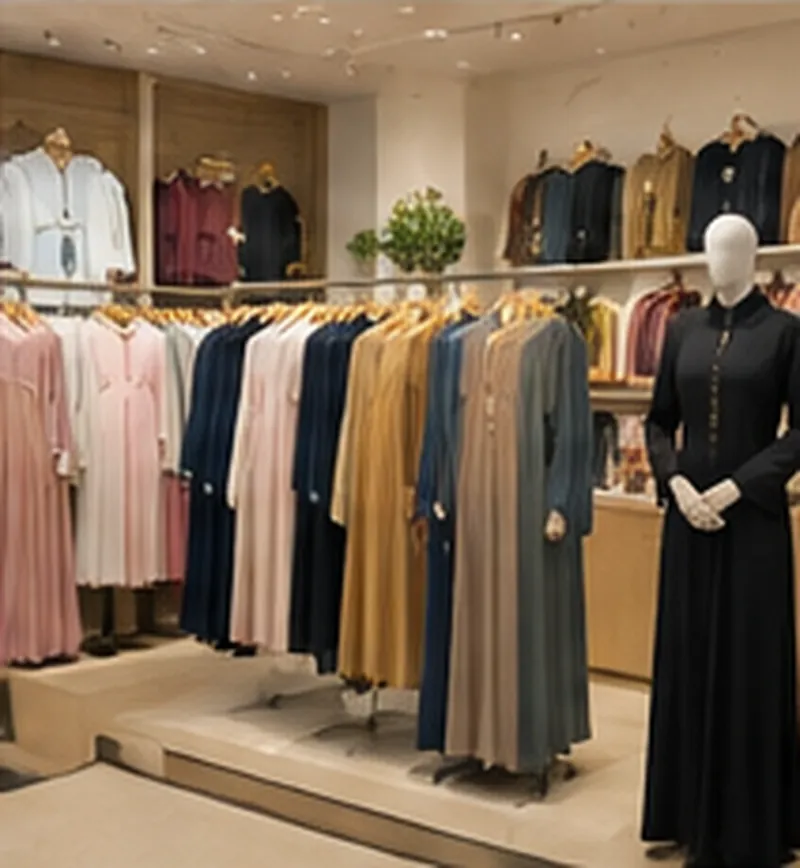
Ivorian Muslim clothing across two climates and many peoples
Ivorian Muslim clothing is shaped first of all by geography. Ivory Coast stretches from a humid, forested south with a lagoon coast to a drier savanna in the north, and Muslim communities are particularly visible in the north, in towns such as Odienné, Korhogo, Kong and Bouaké, and in the neighbourhoods of Abidjan where migrants and long-established families live side by side. The Dioula, Malinke, Senufo and other peoples contribute their own cuts, patterns and names. Historically, Muslim traders along caravan routes carried cloth, robes and caps between the Sahel and the forest, and their style still influences how men dress in the north.
The country is multi-religious, and Muslims, Christians and followers of local traditions often dress alike in daily life. What marks Muslim dress is mostly the occasion and the cut: loose robes for Friday prayer, modest outfits for the feast days, and head coverings for women in some families. Fashion changes quickly, and what was fashionable last Tabaski may seem old by the next one. Looking at Ivorian Muslim clothing in a market on a Friday morning shows this blend: shoppers choose boubous for the mosque and printed dresses for the workplace.
The Ivorian boubou and traditional Ivorian dress for men
The boubou is the central men's garment: a wide robe with open sides and a large front pocket or embroidered chest panel, often worn over matching trousers. Northern Dioula communities favour it in white, cream and pale blue for prayer, and in richer colours for festivals and weddings. Fabric may be cotton, bazin or locally woven strips sewn together. A boubou assembled from woven strips is heavier, endures for decades and is frequently offered as a present to a new father or a bridegroom.
Men also wear a shorter tunic with trousers in the same cloth, a long jacket for formal events, and the djellaba in cooler areas. Head coverings include knitted caps, brimless kufis and, for elders, a wrapped turban. Leather sandals are widespread, and elders may carry prayer beads. This male Islamic dress in Ivory Coast changes with age: young men favour slimmer cuts and bright colours, while elders prefer ample, plain robes.
Women's modest dress in Ivory Coast: pagne, kaba and head wraps
Women's daily clothing often combines a pagne, a length of printed or woven cloth wrapped around the waist, with a fitted or loose top. Tailored sets of matching top and long skirt are popular, as are long dresses with puffed sleeves and wrap-style bodices. Headscarves tied in a stylish knot, sometimes with the same fabric as the dress, finish the look. For prayer, women commonly wear a long scarf and a long wrapped cloth.
Coverage varies. Some women wear loose long garments and a headscarf at all times, others choose them for religious occasions or when visiting family, and others dress in contemporary fashion. Scholars hold differing views, and families differ, so the range of Ivorian modest dress is wide. In cities, one can see abayas from Gulf and Moroccan styles alongside local tailoring. Ivorian modest dress for students often means a long skirt, a loose blouse and a simple scarf in a school-approved colour.
Woven cloth and Korhogo craft in Ivorian Muslim clothing
The north is known for strip-woven cotton, made on narrow looms and sewn into wide cloths, and for the painted cloth tradition of Korhogo associated with Senufo artists, who decorate cotton with natural dyes and animal and geometric motifs. These textiles appear in wall hangings, bags and sometimes garments, and they form a distinctive part of Ivorian identity.
Wax print cloth, sold under many brand names and imported from Europe and Asia, is the everyday favourite. Women choose patterns for their symbolism, colours and the prestige of certain makers, and some patterns carry popular nicknames. Bazin and lace are chosen for formal clothes, while cotton is the choice for hot days. Traditional Ivorian dress made from handwoven cloth is increasingly appreciated by urban customers, who wear it for weddings and cultural festivals.
Climate: dressing for the tropics
A hot, humid climate demands breathable cloth. Cotton, loose cuts, short or three-quarter sleeves under outer robes, and light colours make daily life more comfortable. When the rains arrive, Ivorian Muslim clothing favours fast-drying cloth and a scarf that holds its form when damp; in the dry months of the north the dusty harmattan wind leads many to draw a scarf or turban over the face.
For prayer, many people like fabrics that absorb sweat, since mosques can be crowded. Laundry is a practical consideration too, with strong sun fading deep colours quickly, so many wearers dry dark garments in shade. Tailors also advise customers on lightweight linings, because an unlined wax-print dress can become see-through in strong light.
Tabaski, Ramadan and weddings
Tabaski is a major occasion for new clothing, and families commission matching outfits for adults and children weeks ahead. Tailors in Abidjan and Bouaké are heavily booked, and neighbours compare designs on the morning of the feast. The end of Ramadan is a second occasion where new outfits appear, and people also dress carefully for Friday prayers during the fasting month. Ivorian Muslim clothing for children is chosen with equal care, with small boubous and bright dresses sewn from the same cloth as their parents' outfits.
At weddings, the groom and his family may wear matching boubous, and women choose lace or bazin with a coordinated headwrap. Religious ceremonies are often followed by receptions where more colourful modern dress is worn. Funerals call for sober tones chosen by the family.
Where to buy and how to work with a tailor
Abidjan's commercial districts, especially the large market in Adjamé and neighbourhood stalls in Treichville and Cocody, sell fabrics, ready-made boubous and accessories. In Bouaké, Korhogo and other regional towns, weekly markets are the place to find woven cloth and local tailoring.
The usual process is to buy the fabric first and bring it to a couturier with a photograph. Agree on price and delivery in advance, expect a fitting, and avoid ordering at the last minute before Tabaski. Online sellers and social media boutiques now offer ready-to-wear versions, and some Ivorian designers export their work. For consumer concerns, the ministry in charge of commerce and consumer associations can advise on complaints. Ivorian Muslim clothing sold by independent designers online has grown, and some boutiques now deliver across the country by bus or courier.
Choosing with care and respect for differing views
Look for solid seams, colour that does not run, and enough cloth in the sleeves for movement. Ask the tailor to leave extra fabric in seams so garments can be adjusted. Cotton boubous can be washed by hand and ironed while slightly damp. It is also worth keeping a leftover piece of the original cloth, so a torn sleeve can be mended without a visible difference.
Questions about which colours, lengths or head coverings are required belong to a qualified scholar of your community, since opinions differ.
Frequently asked questions
What do Muslim men wear in Ivory Coast?
Many wear a boubou, a wide robe over matching trousers, in white or coloured cloth for Friday prayer and festivals. Some choose a tunic with trousers, a djellaba or a suit instead, adding a knitted cap or kufi for prayer.
What is a pagne?
A pagne is a length of cloth, often wax print or woven cotton, wrapped around the waist or sewn into a skirt or dress. Women across Ivory Coast use it daily and for ceremonies, usually with a matching top and head wrap.
Which fabrics suit the Ivorian climate?
Cotton, loose weaves and light colours suit the hot, humid weather best. In the dry north, a scarf or turban protects against dust and harmattan wind. Heavy synthetics tend to feel uncomfortable, especially during long prayers.
Is it better to buy ready-made or have a boubou made?
Both are common. Ready-made garments are quicker and cheaper, while a tailor can match fit, cloth and embroidery to your taste. For Tabaski, ordering several weeks ahead is wise because good tailors are heavily booked.