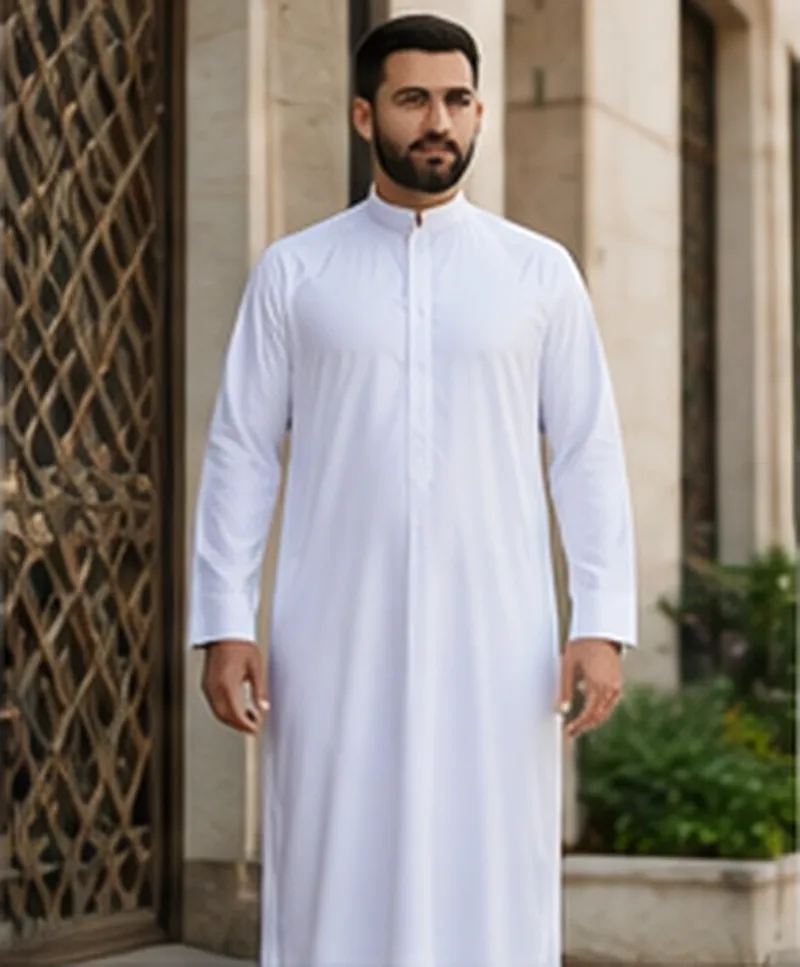
Zakat and clothing donations: two kinds of giving
Zakat and clothing donations are often mixed up by well-meaning donors, yet the law treats them as separate. The first key point is that zakat is one of the five pillars of Islam. It is an obligation on a Muslim whose wealth exceeds a minimum threshold, called nisab, once a lunar year has passed, and it is paid to the recipients named in the Quran. A clothing donation, by contrast, is generally sadaqah: voluntary, open to everyone and possible at any time.
The distinction between zakat and clothing donations matters because a person who owes zakat cannot assume that a bag of garments cleared the debt, and a person who only gives clothes should not worry that they have fallen short of an obligation they do not have. The sections below set out how scholars separate the two, and where views diverge.
What zakat obligations are based on
Classical works list the kinds of property on which zakat is due: gold and silver and, by analogy, money, trade goods, certain livestock and certain agricultural produce. Modern scholars apply the same principles to savings, shares, business stock and other assets, and they differ on some of the details, such as the treatment of debts and retirement funds.
For most people the calculation involves total qualifying wealth and the rate scholars set, which is a fixed portion of that wealth. Nothing here replaces a calculation carried out with proper guidance, and no figure is given here because rates and thresholds depend on the school and the current value of gold or silver.
What matters here is the principle: zakat obligations attach to wealth that grows or is saved, not to things used for ordinary living. This is why the next question, whether clothes are zakatable, has a clear answer.
Are the clothes you own subject to zakat?
Garments that a person wears or keeps for personal use are not subject to zakat. The same is true of a home, furniture, tools for daily use and a vehicle used for transport. Zakat looks at wealth held for growth or saving, so a wardrobe, however large, does not generate any of the zakat obligations that savings or stock do. A related question is whether the clothing donations you make during the year reduce what you owe; the answer is no, unless you meant them as zakat when you gave them and the conditions were met.
The position changes if clothing is held as stock to be sold. A shopkeeper who holds abayas, thobes or scarves for sale holds trade goods, and scholars generally treat the value of that stock as part of zakatable wealth, together with cash and receivables, when the annual date arrives. Someone who runs a small online business from home should therefore ask how to value stock and when to count it.
Gold and silver jewellery has its own set of opinions, with some schools including worn jewellery and others exempting it. That is a different topic from clothes, but it is often discussed in the same breath.
Can clothes as zakat count toward the obligation?
The majority of jurists hold that zakat should be paid in the form in which it is due or in money, because the aim is to meet the needs of the poor in the most flexible way. On this view, handing over garments does not discharge zakat unless you have a clear basis to treat them as a valid payment of equivalent value.
The Hanafi school is more open to paying the value of an item, and many contemporary scholars accept clothes as zakat in situations where the recipient truly needs them and the value is assessed fairly. Conditions typically include an intention made at the time of giving, a fair valuation at current prices and delivery to an eligible recipient.
Because opinions differ, a donor who wants to count a purchase of coats or school uniforms as zakat should ask a qualified scholar first, rather than assume. If in doubt, many people pay zakat in money and give clothes separately as sadaqah.
Who may receive zakat, and who may not
The Quran lists eight categories of recipients, including the poor, the needy, those in debt and travellers in need of help. Zakat must reach one of these groups, and mosque funds or general projects may qualify only if they support them. A school uniform drive for needy pupils might fit, while a clothing sale that raises money for a building does not.
Scholars also state that zakat is not given to one's own parents, grandparents, children or spouse, whom a person already has a duty to support. It is also not given to descendants of the Prophet in many traditional rulings, a point on which some contemporary scholars differ.
Voluntary clothing donations, unlike zakat obligations, are free of these restrictions. A garment can go to a neighbour, a friend in difficulty, a refugee family or a charity shop. This freedom is the practical advantage of sadaqah, and why many people give clothing under that heading.
Giving clothes as sadaqah, and as expiation
Giving clothes as sadaqah needs only a sincere intention and an item worth receiving. There is no threshold, no annual date and no list of eligible recipients, and the reward is not limited to the amount. Giving clothes as sadaqah can be as simple as one warm coat given quietly to someone who needs it, and that can be of great value.
There are also situations where clothing is named in the sources as a form of expiation. The Quran, in its discussion of broken oaths, mentions feeding or clothing a number of needy people, with fasting for those who cannot afford it. Details of how to apply that ruling belong to the jurists, and the schools explain what kind and quantity of clothing is expected.
Some donors hand over garments to honour a relative who has died, or to create a lasting charitable reward. These are voluntary acts, so the earlier conditions of zakat do not apply, though the guidance about quality and dignity still does.
Practical steps for donors
Start by separating the two accounts in your mind and, if you like, on paper. Work out whether you owe zakat and pay that first, in the way your scholar advises. Then decide what you wish to give voluntarily, and treat clothes, food and other gifts under that second heading.
If you wish to use clothing as part of your zakat, record what you bought, what it cost, whom you gave it to and when. This helps you to show the value and the intention, and it keeps your accounting clean for the next year.
Remember also that charities and imams can guide you. Many Muslim organisations offer calculators and advice lines, and a local scholar can answer questions about your circumstances, which no general article can. The purpose is not to burden you with complexity, but to ensure that your giving is correct, generous and well directed.
Frequently asked questions
Is zakat due on the clothes I wear?
No. Clothing worn or kept for personal use is not zakatable. Zakat applies to qualifying wealth such as savings, gold, silver and trade goods. Stock held for sale in a clothing business, however, is generally counted.
Can I pay zakat by giving clothes?
Scholars differ. Many prefer money, while the Hanafi school and some contemporary scholars accept goods of fair value given to eligible recipients with the right intention. Ask a qualified scholar before counting clothes as zakat.
How is a clothing donation different from zakat?
A clothing donation is normally voluntary sadaqah, open to anyone and possible at any time. Zakat is obligatory, tied to wealth above a threshold and paid to specific categories of recipients named in the Quran.
Can I give zakat clothing to my relatives?
Not to parents, children or a spouse you must support. Other needy relatives may qualify, and giving to them can earn a double reward. Ask a qualified scholar about your family circumstances.